Making Soldiers
Can new recruitment measures
halt the ‘death spiral’
in the Canadian Forces?
Photography & reporting by Evan Mitsui
published June 14, 2024
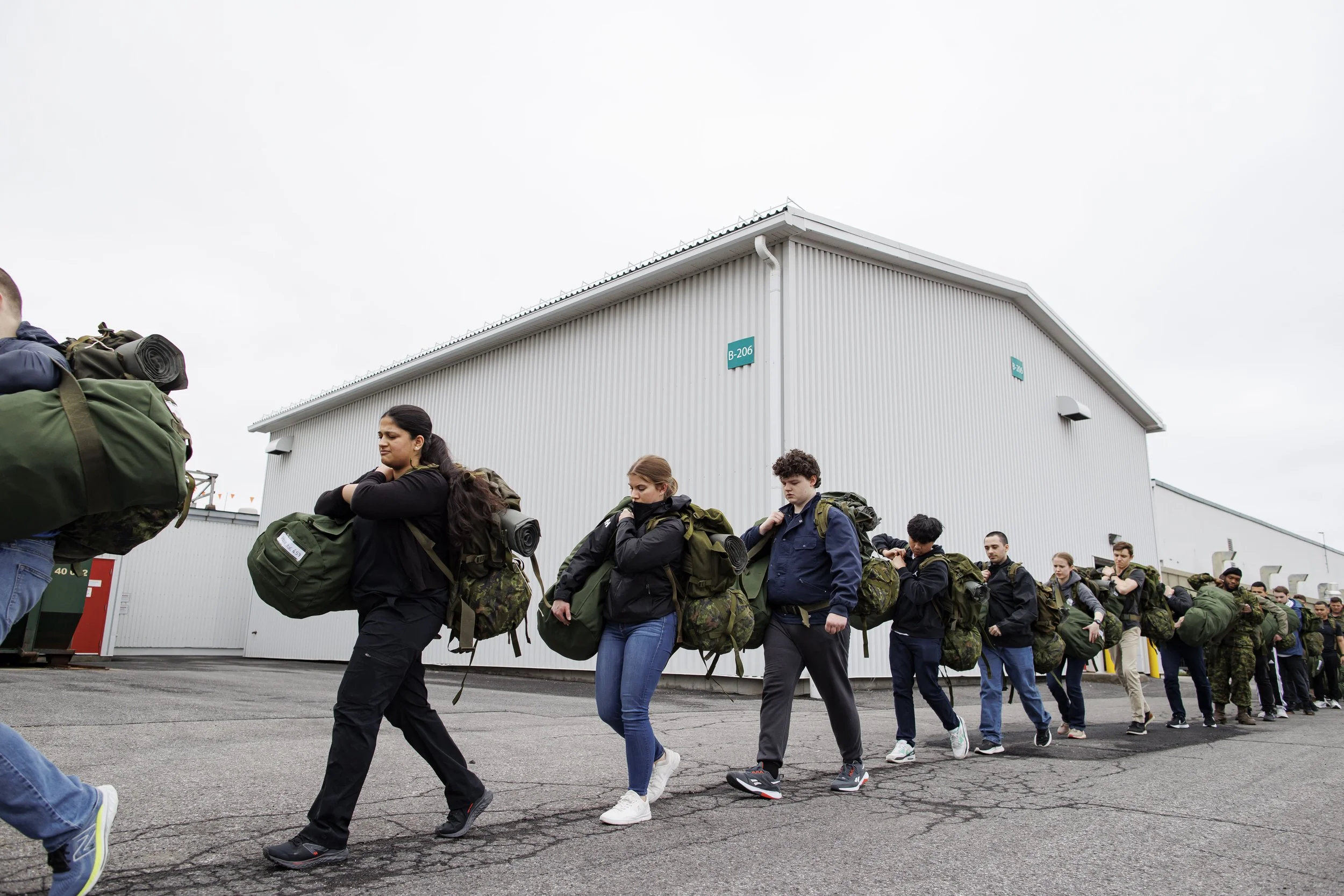
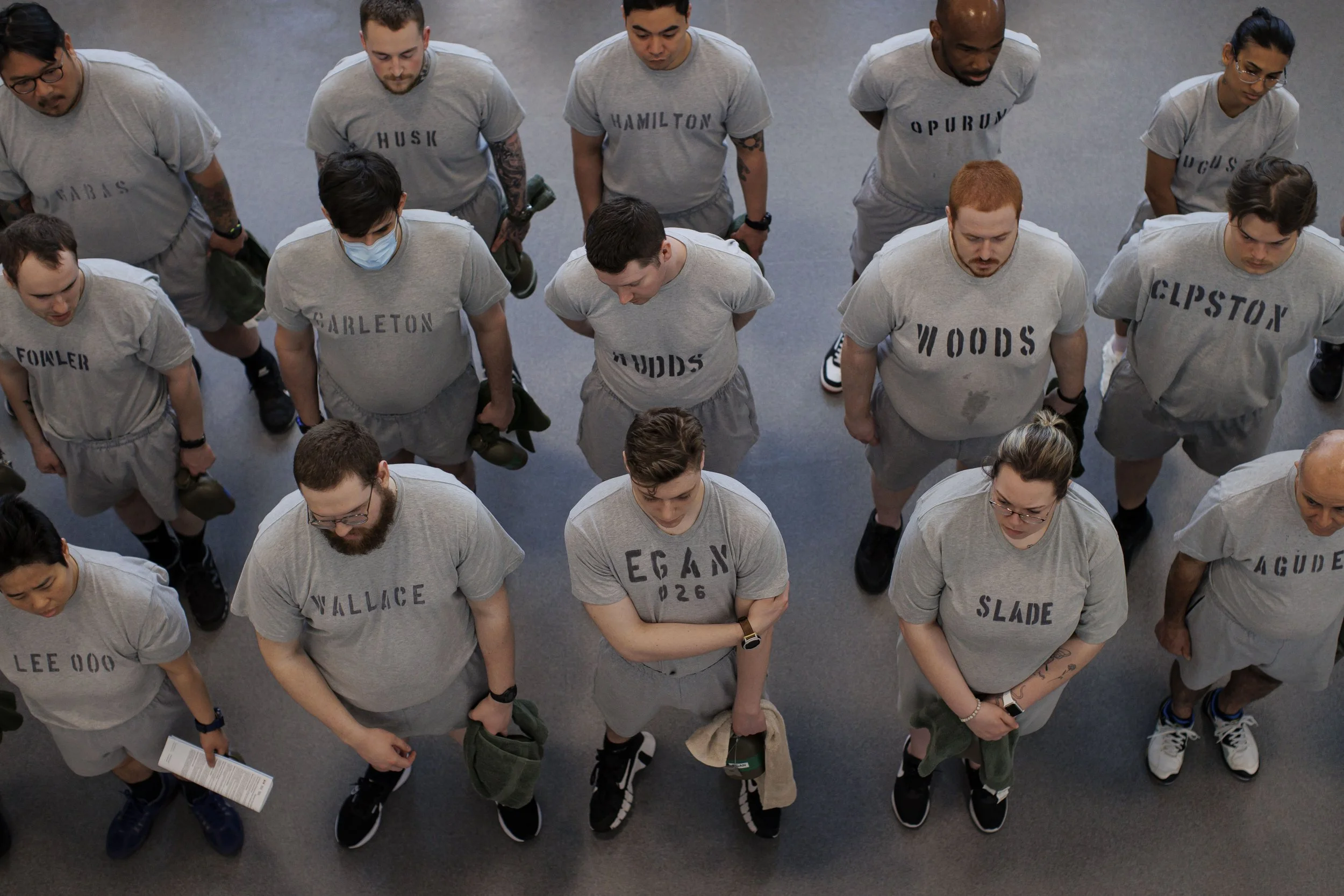
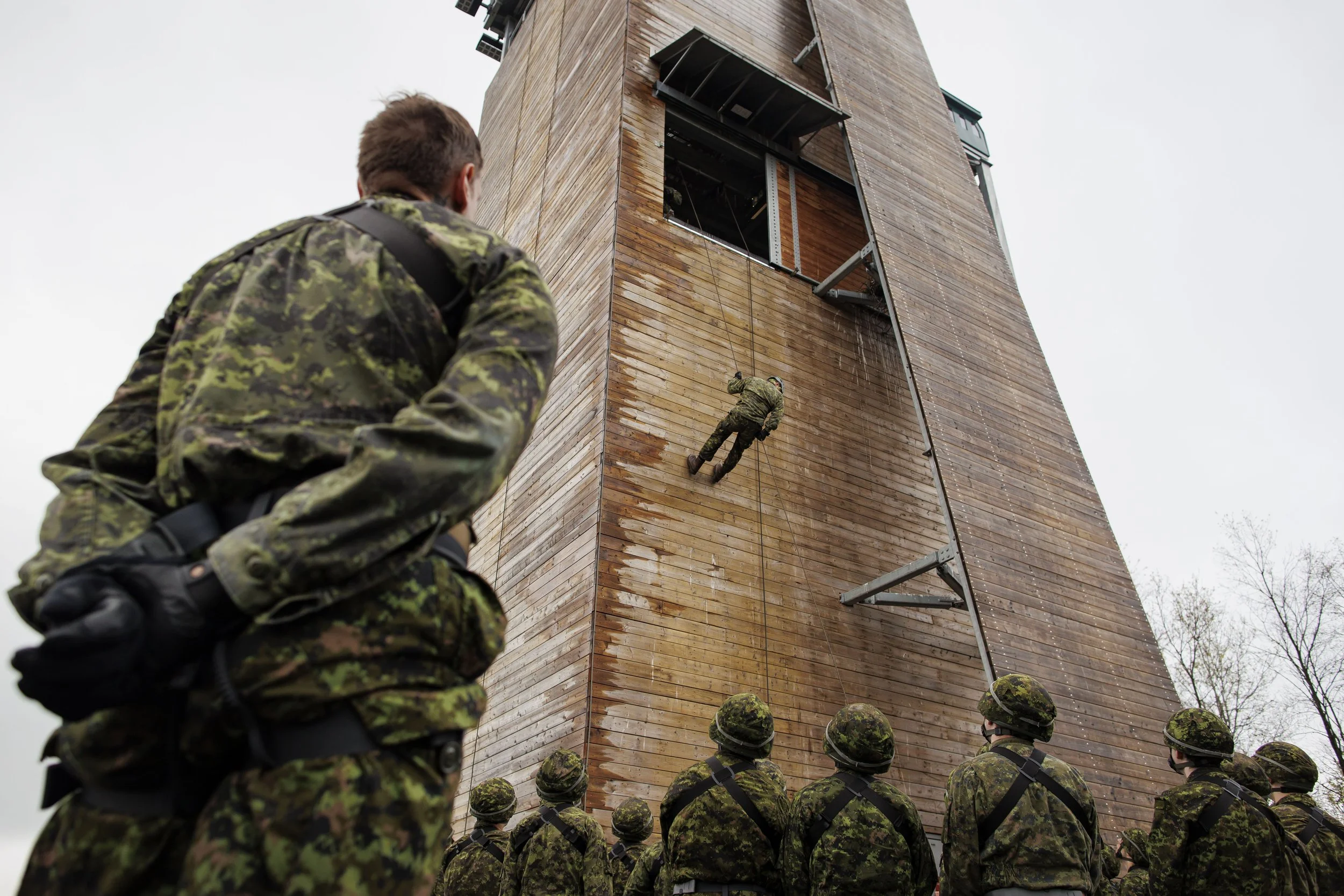
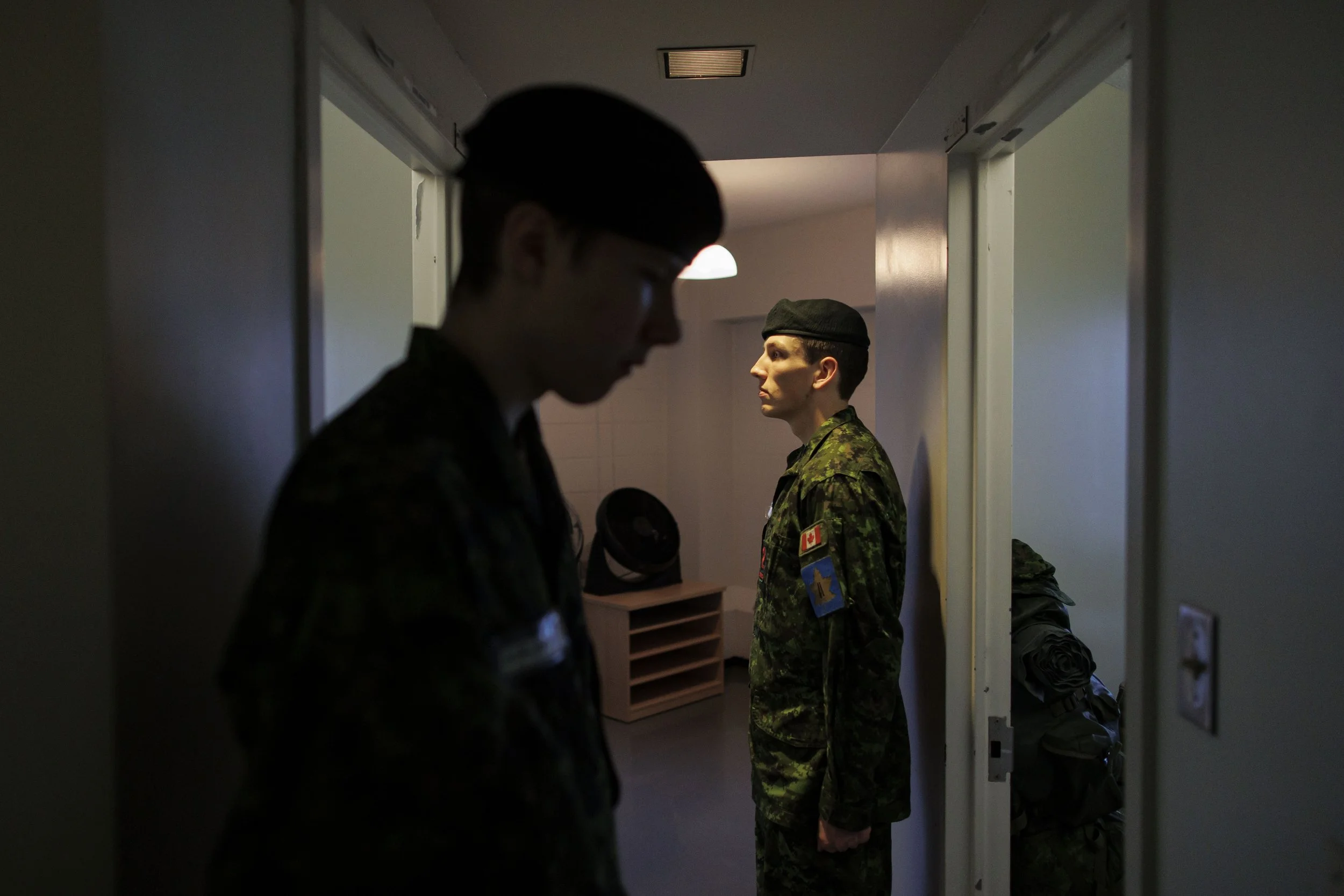
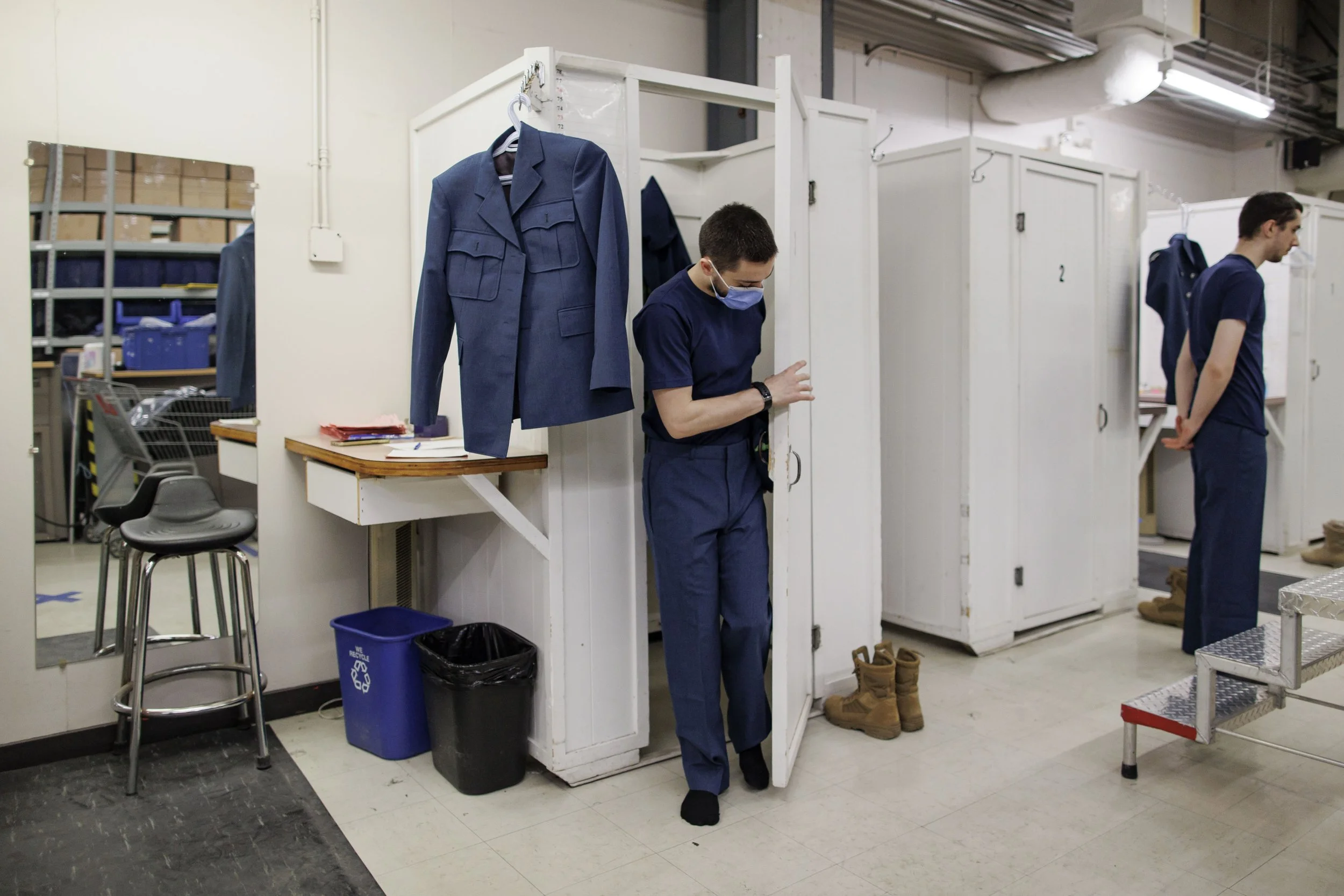
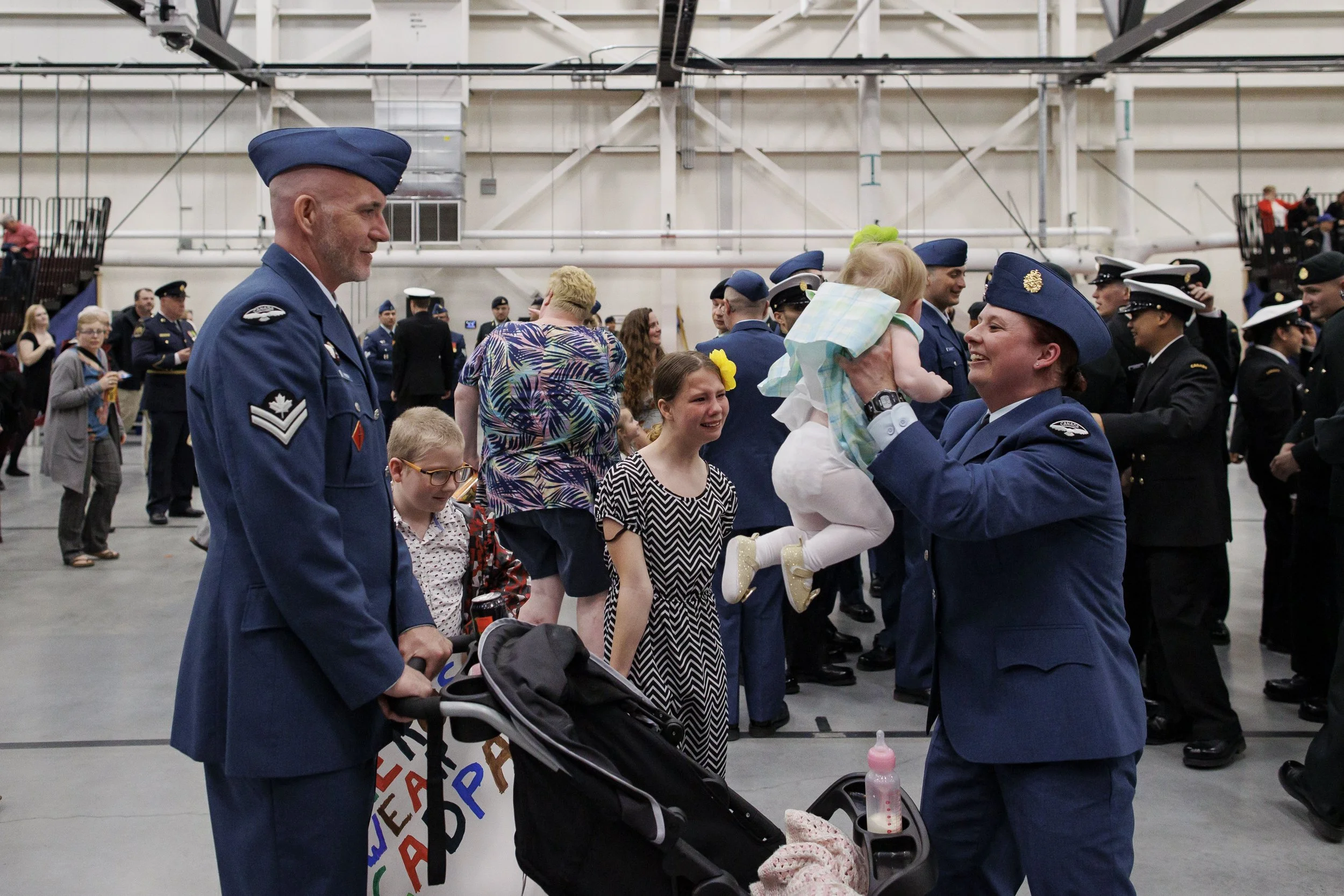
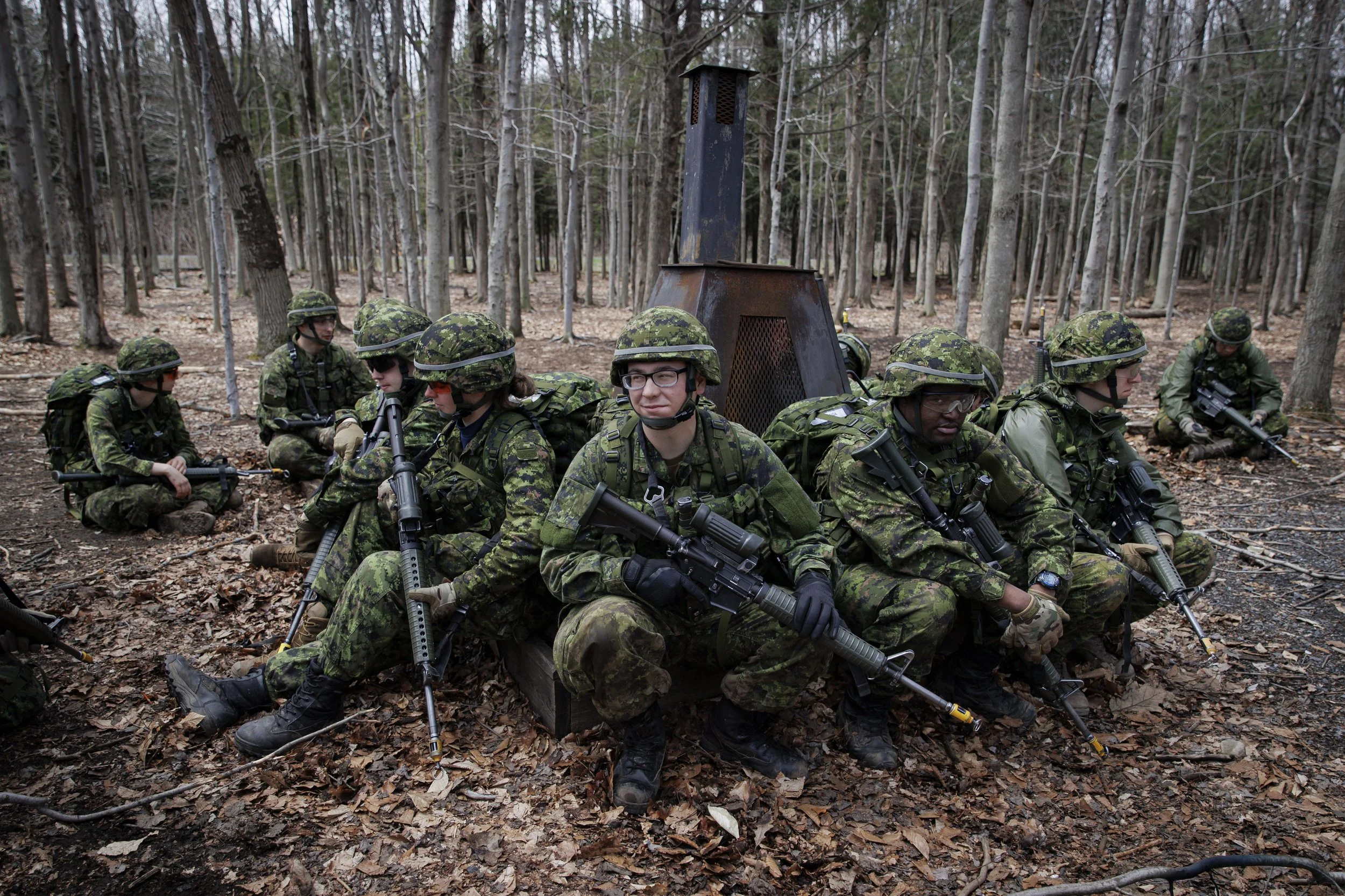
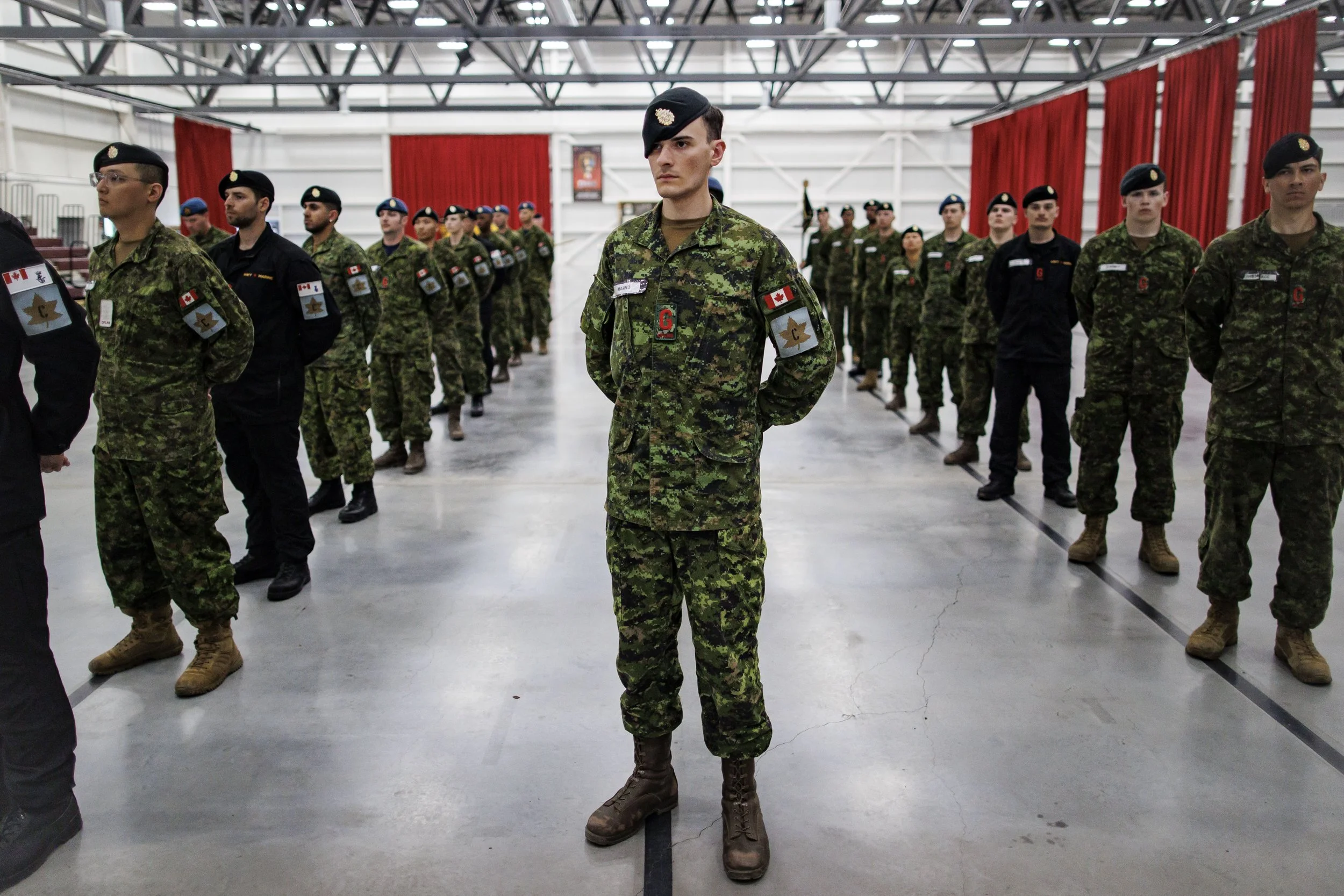
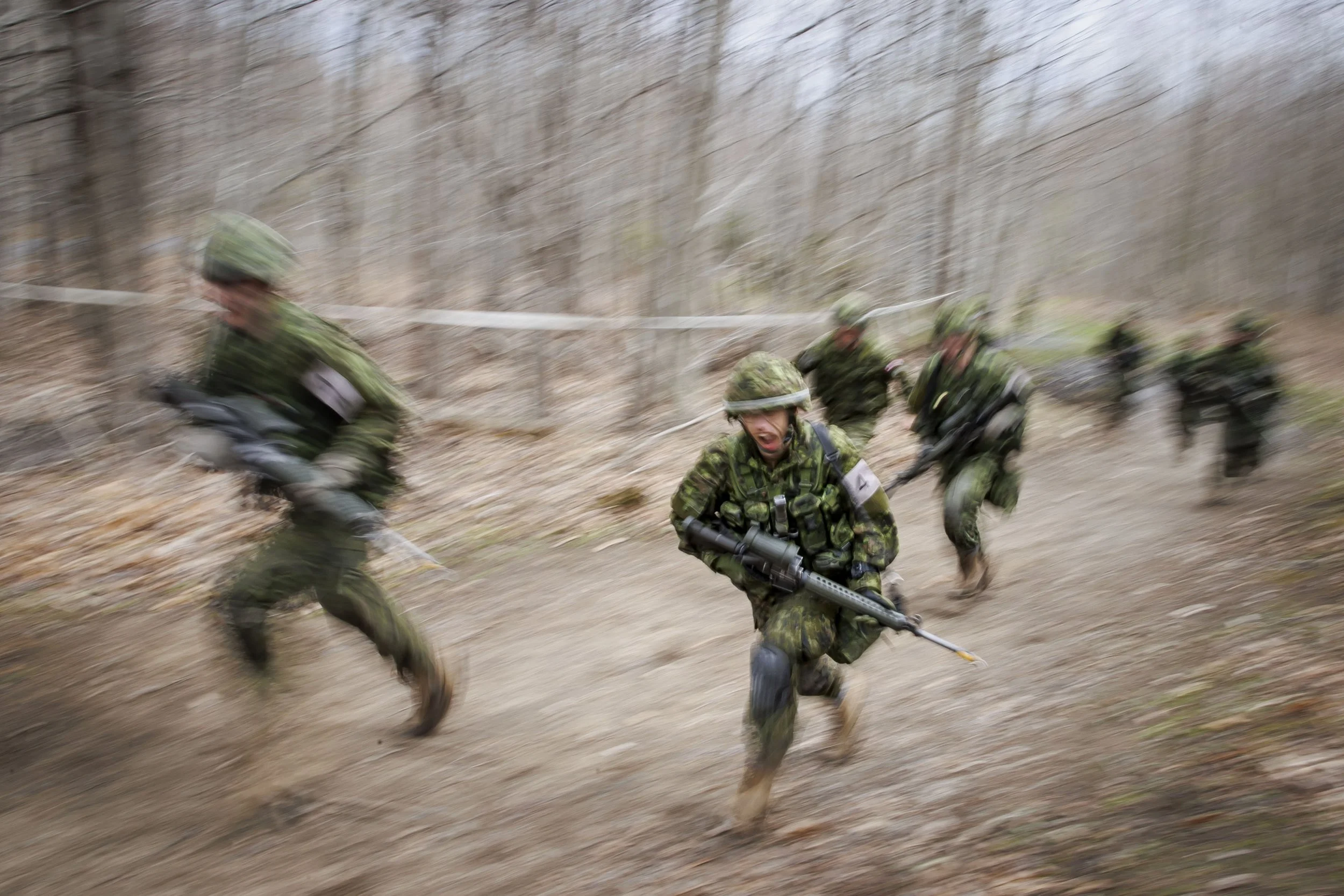
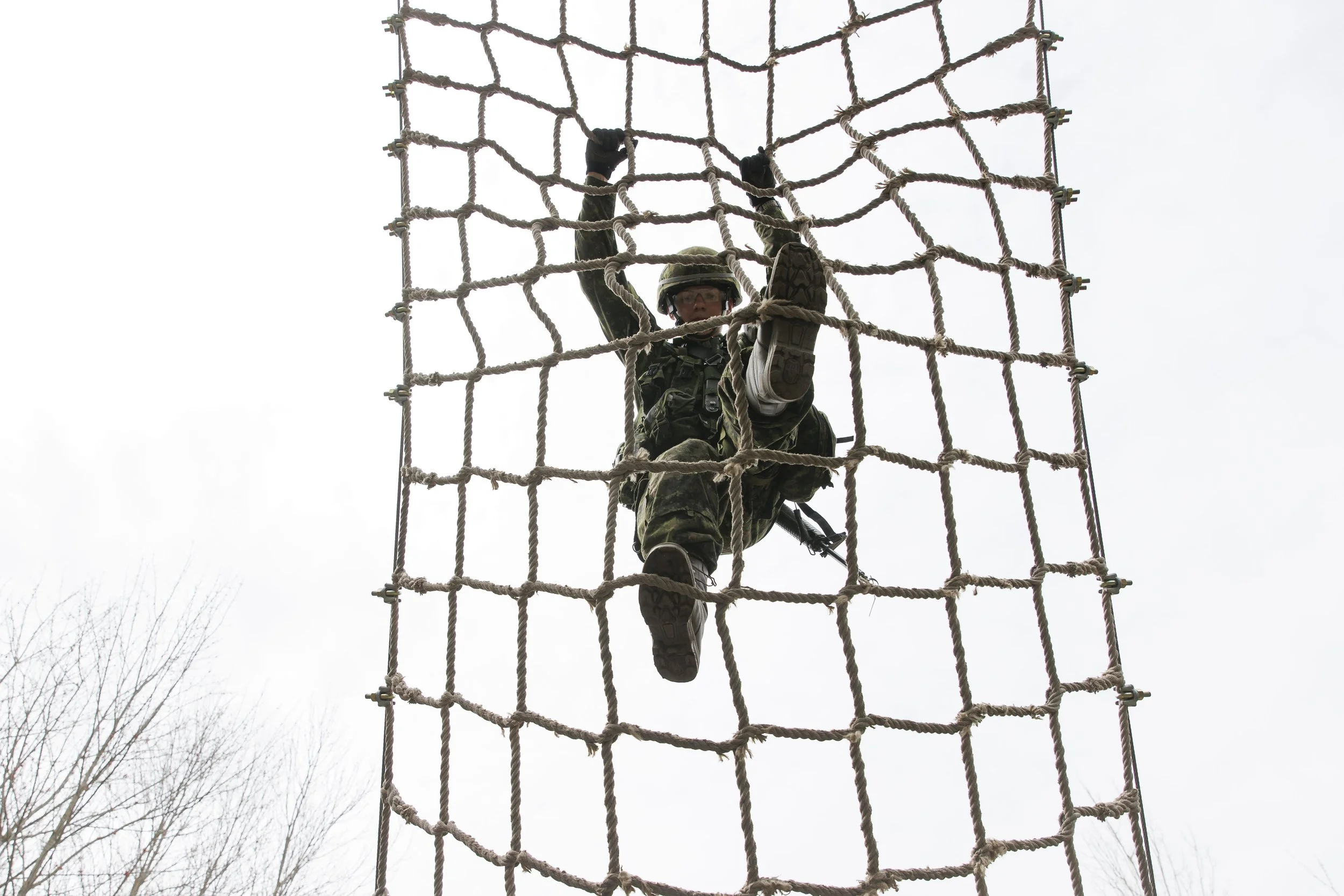
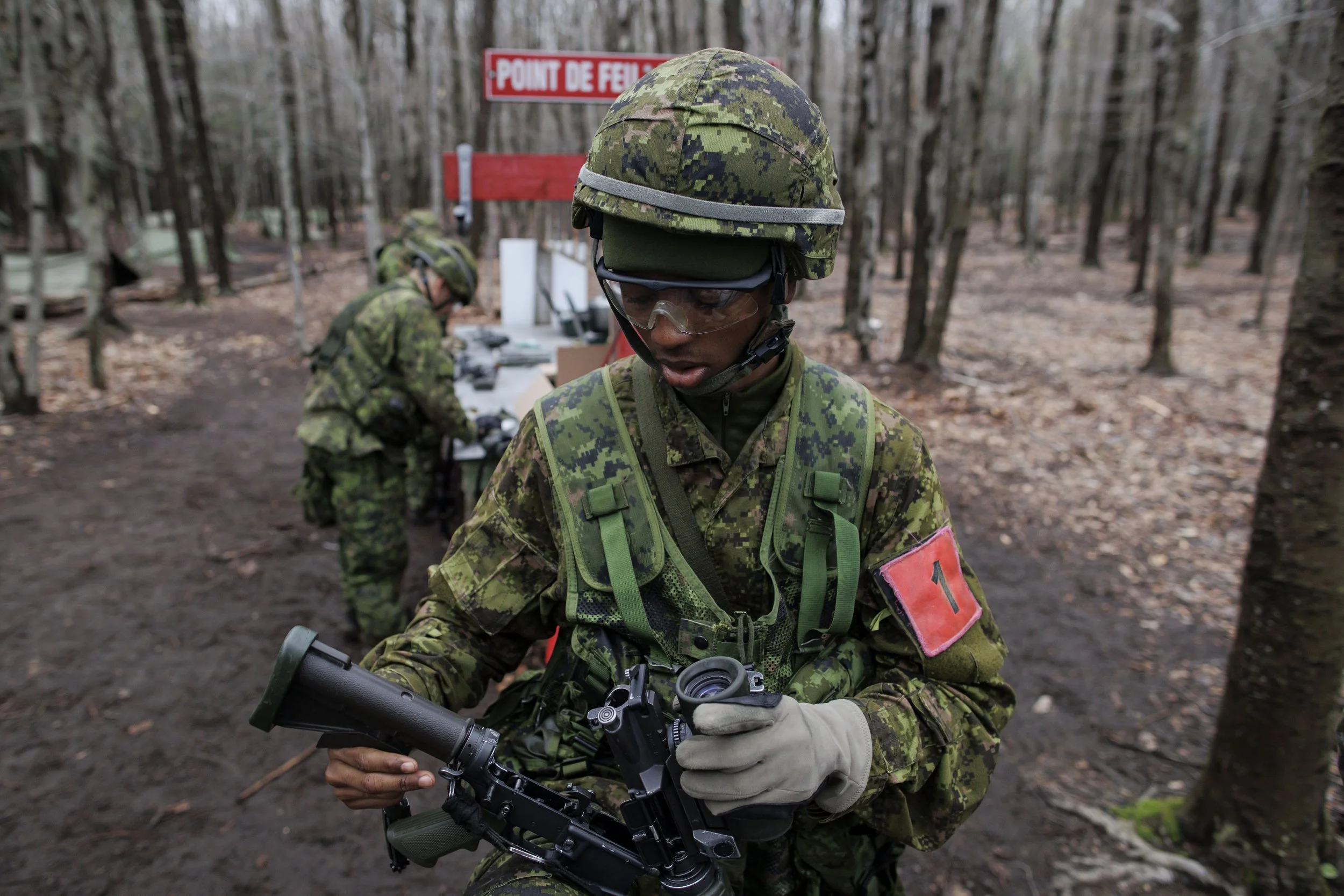
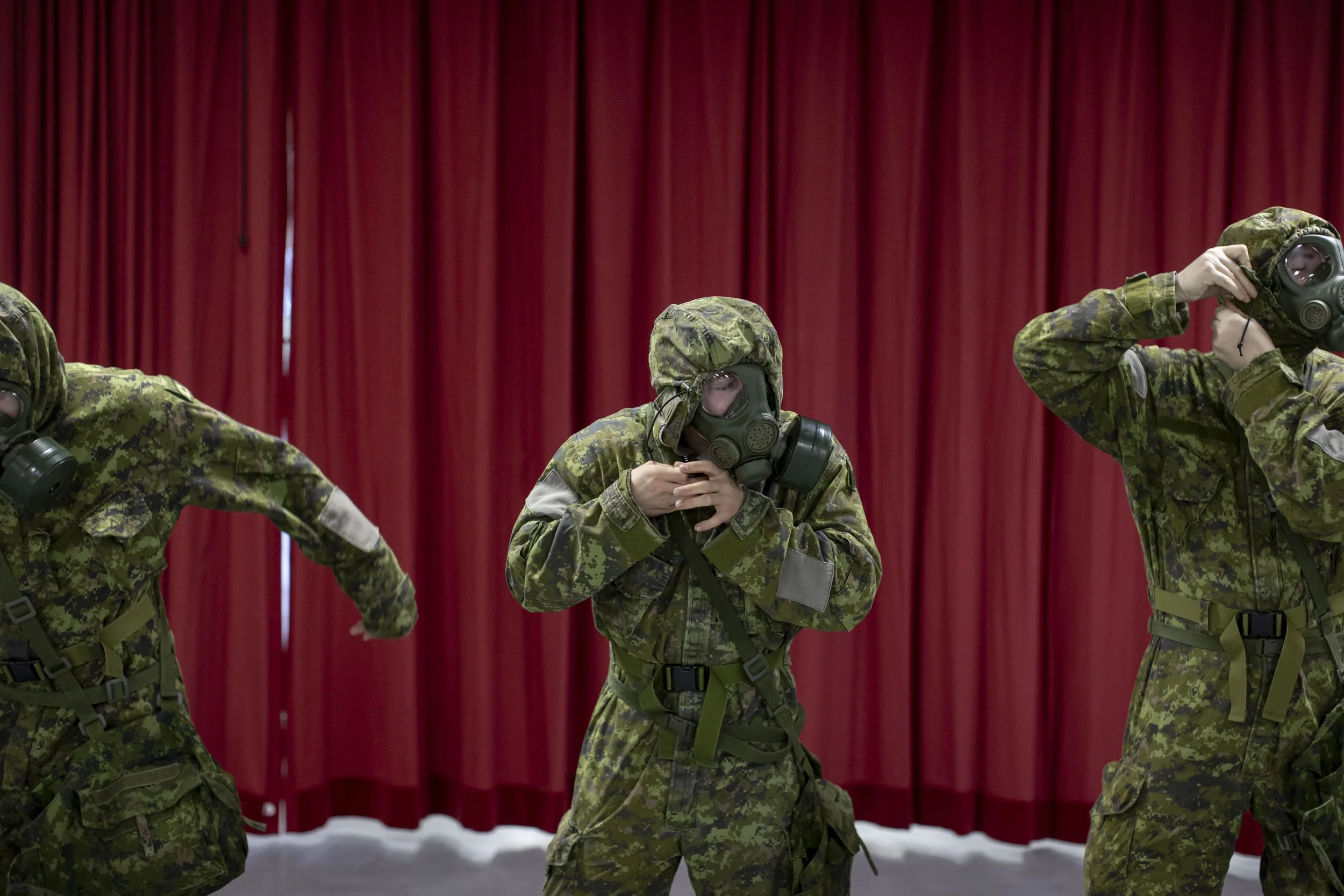
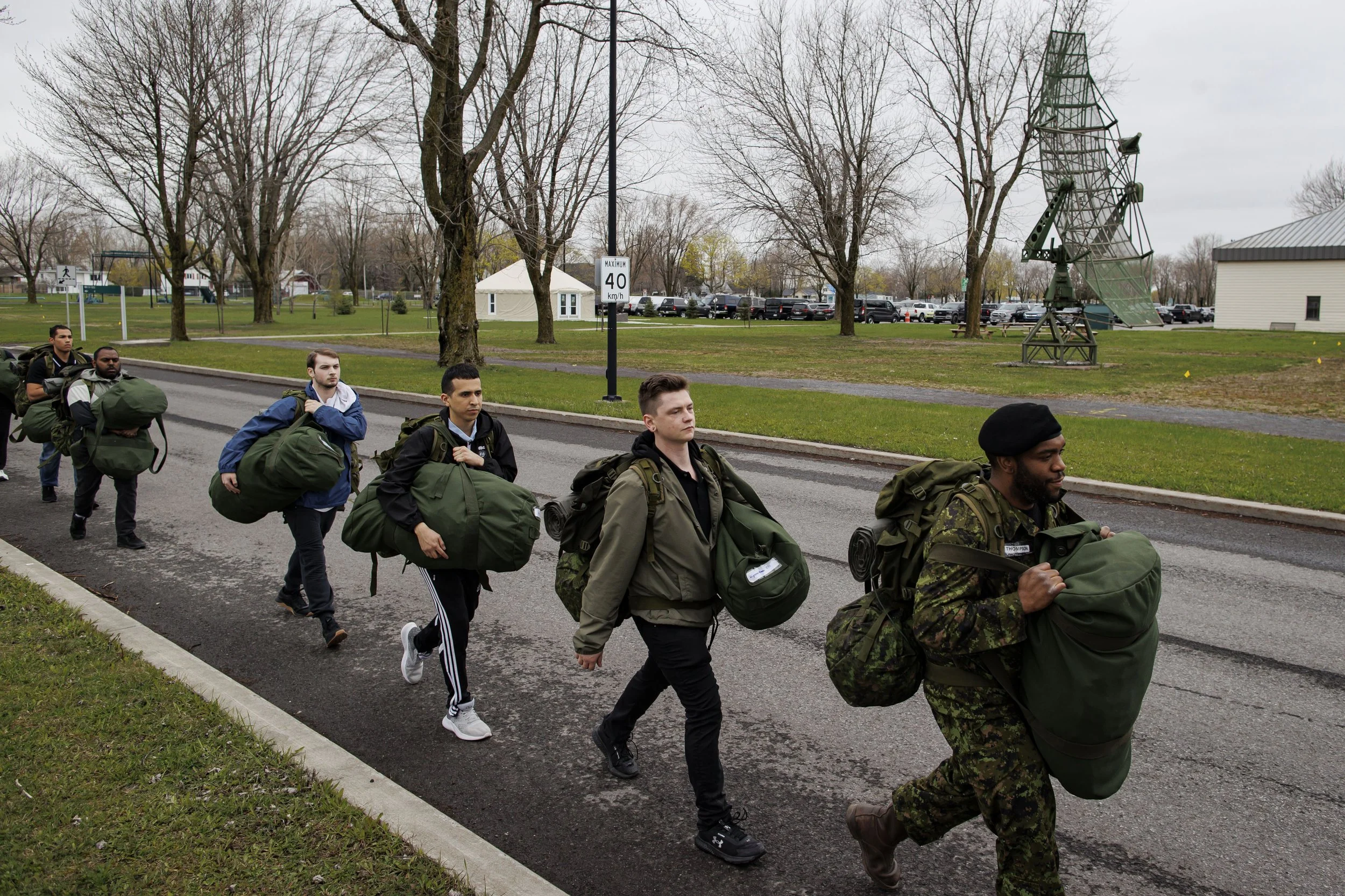
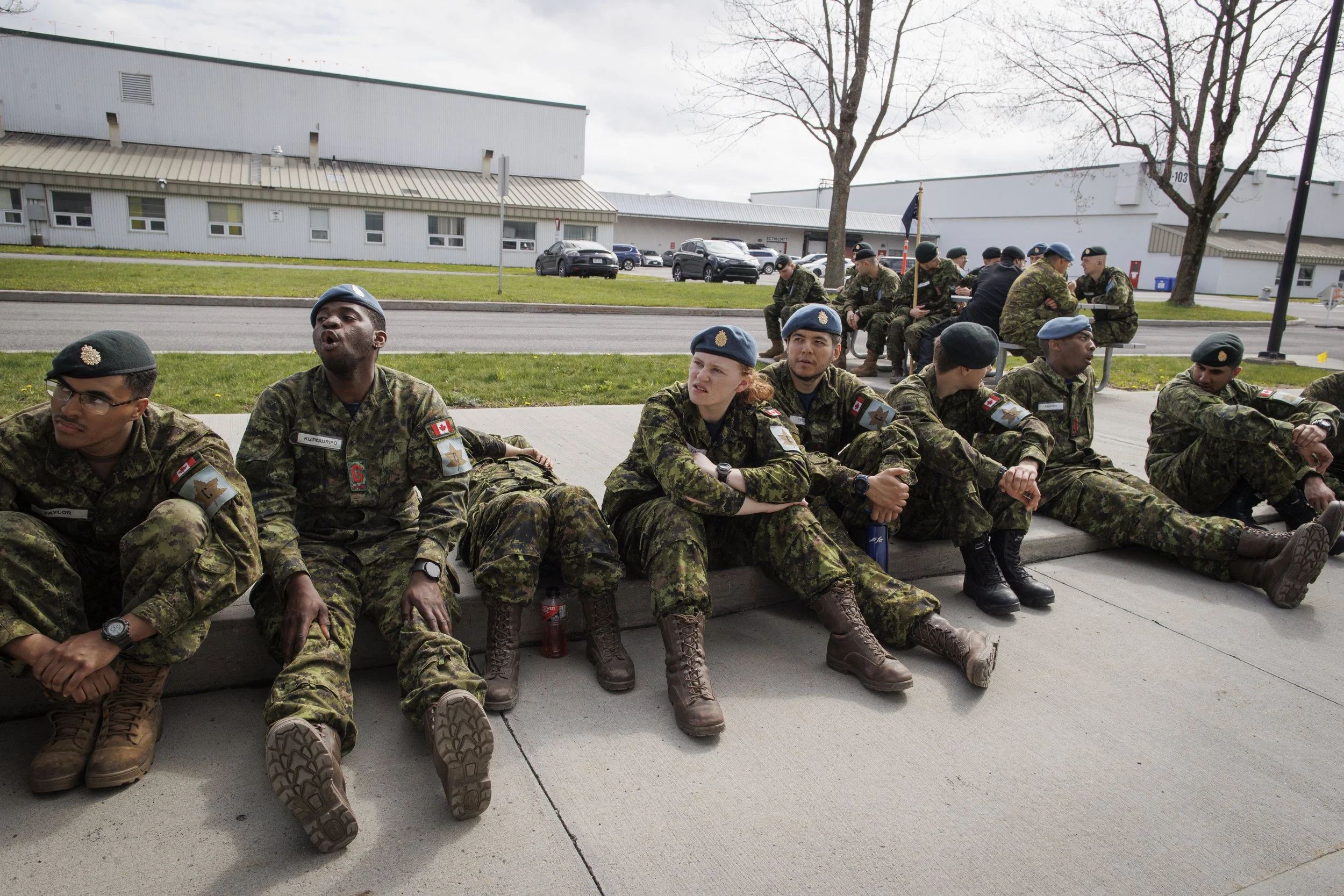
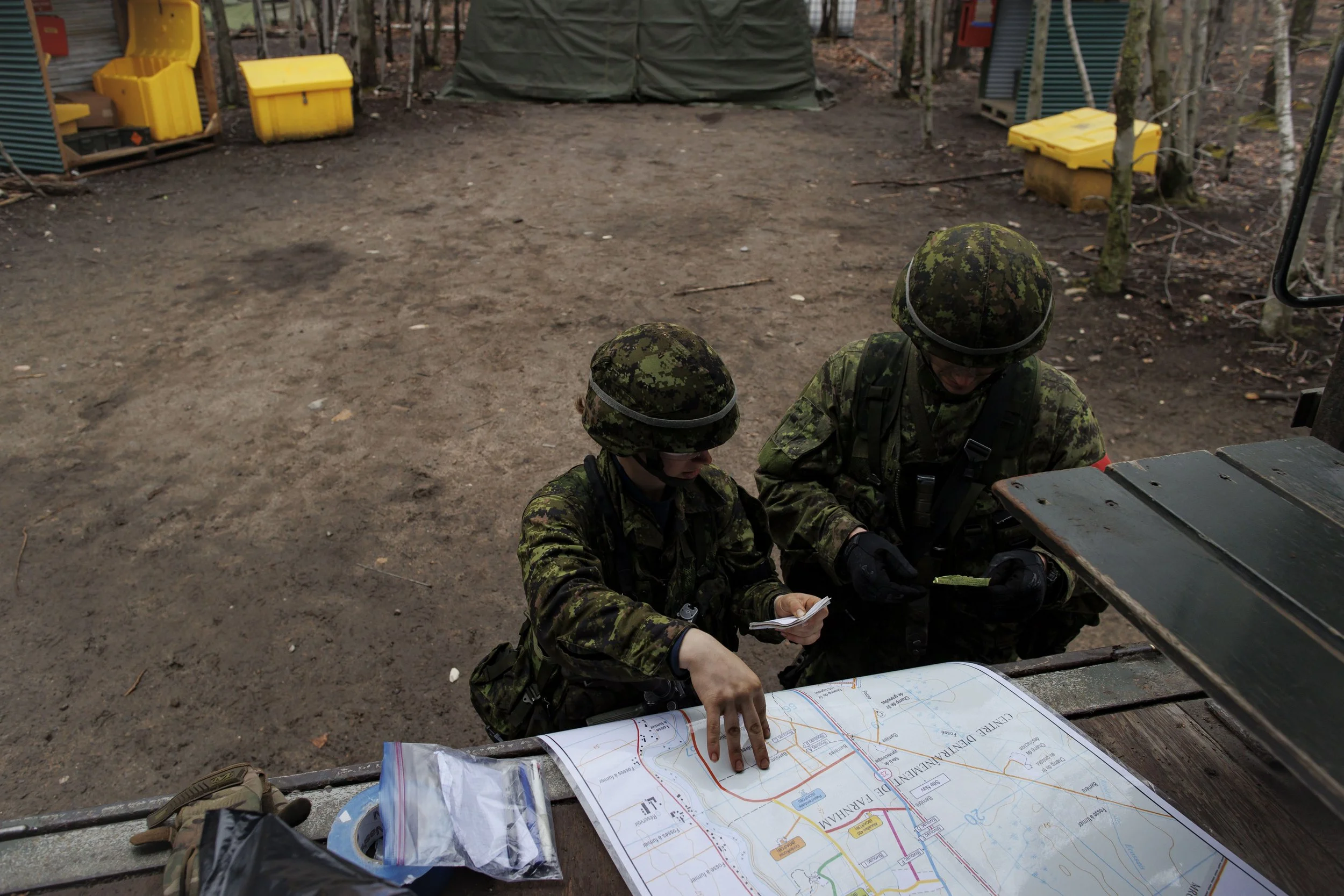
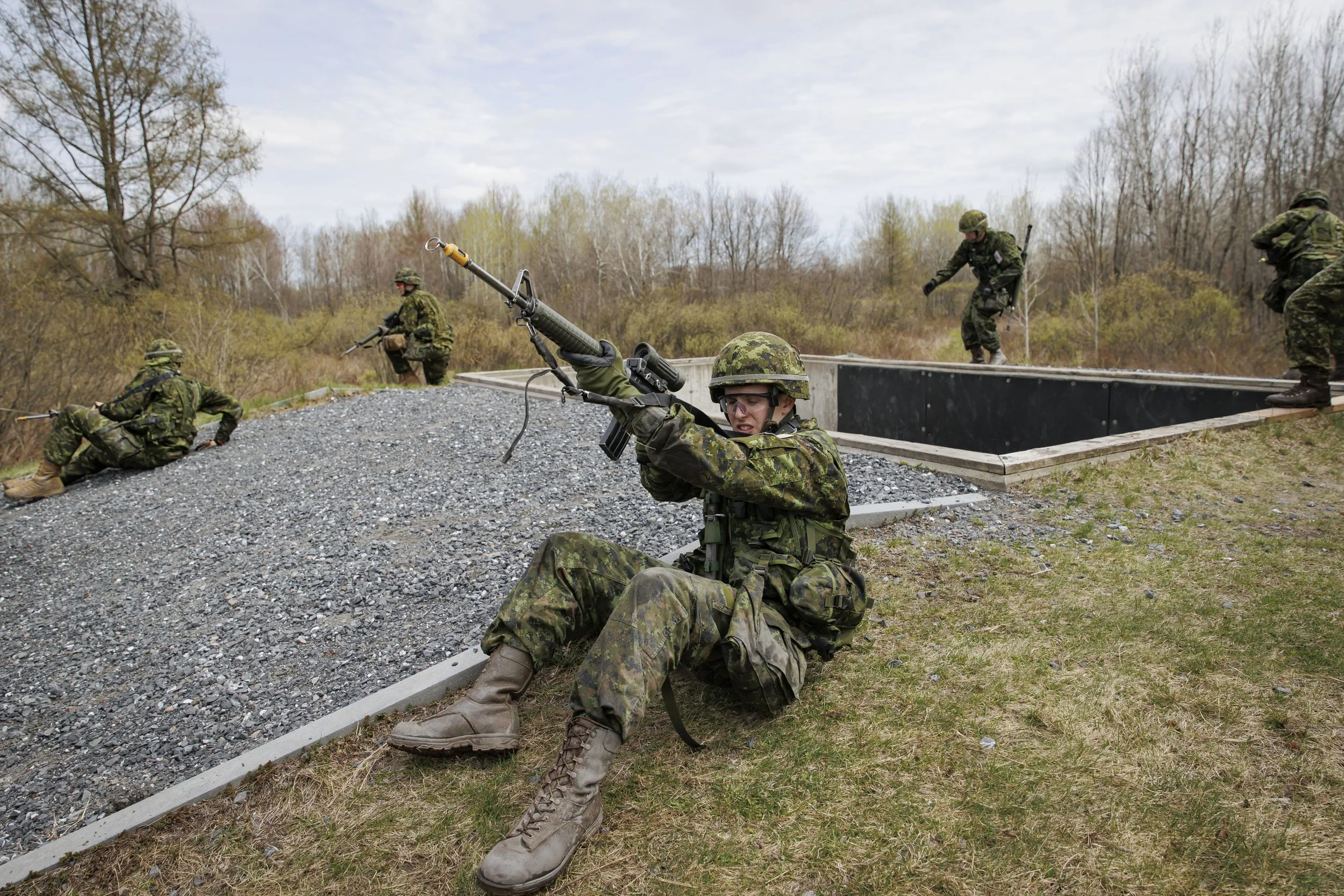
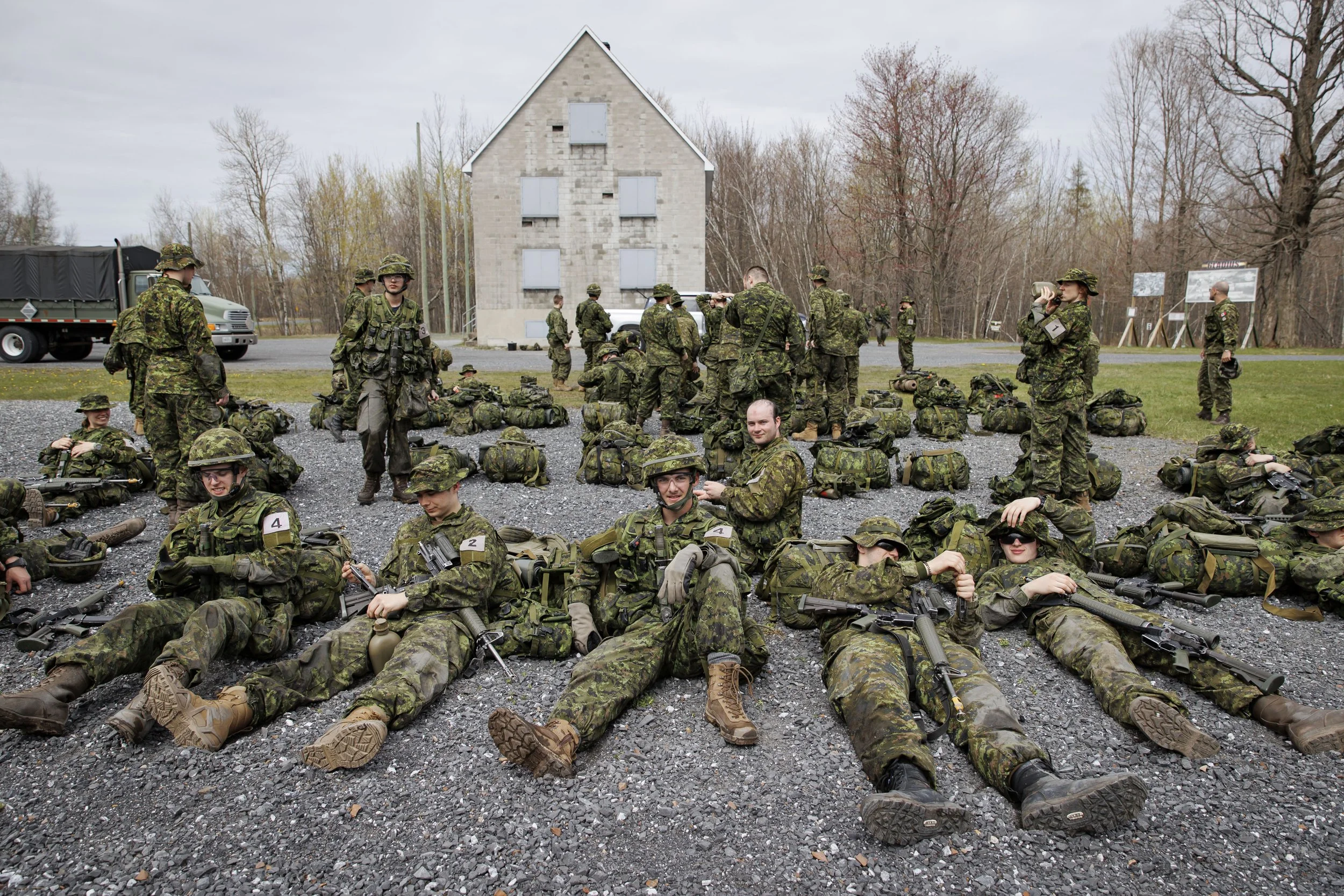
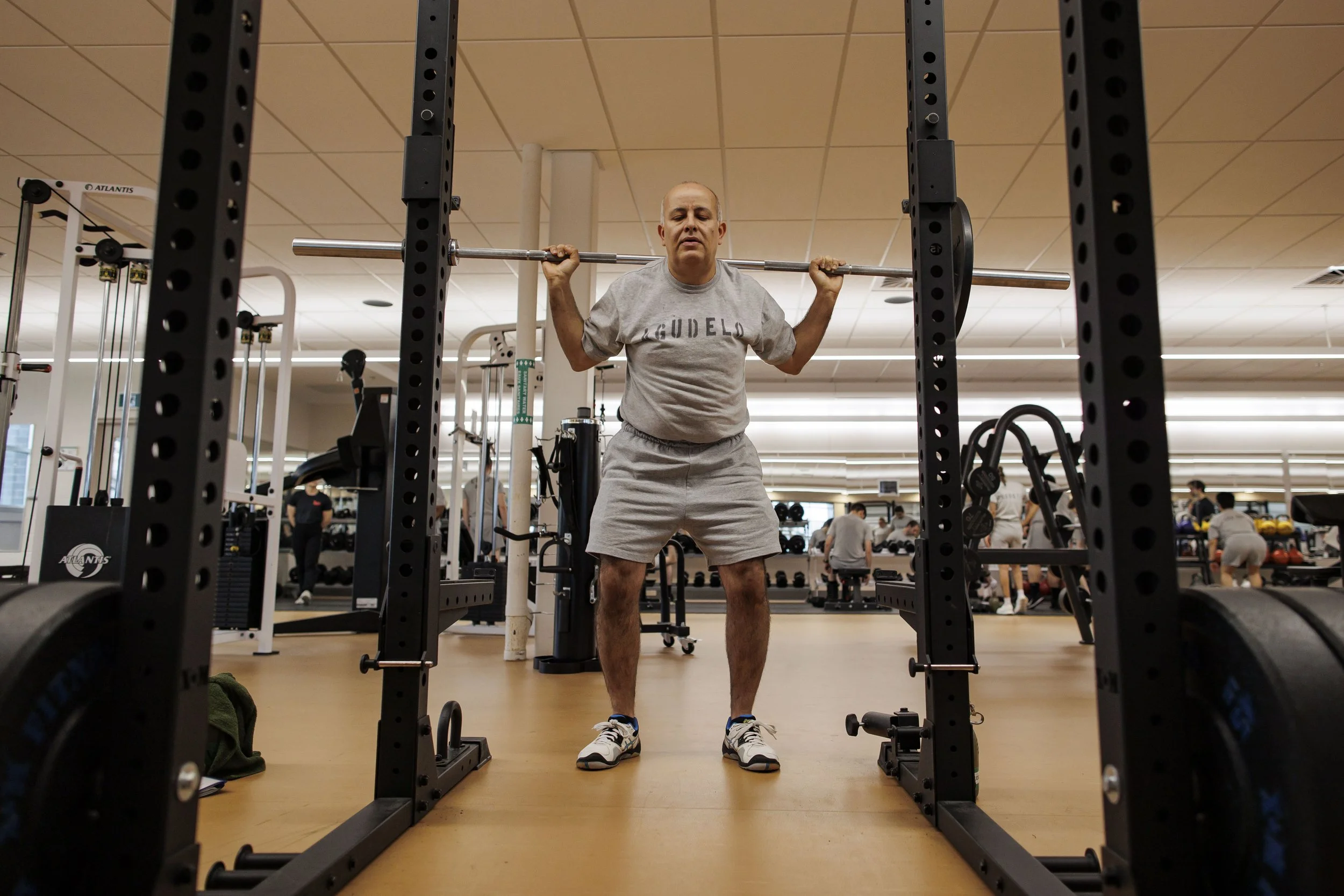
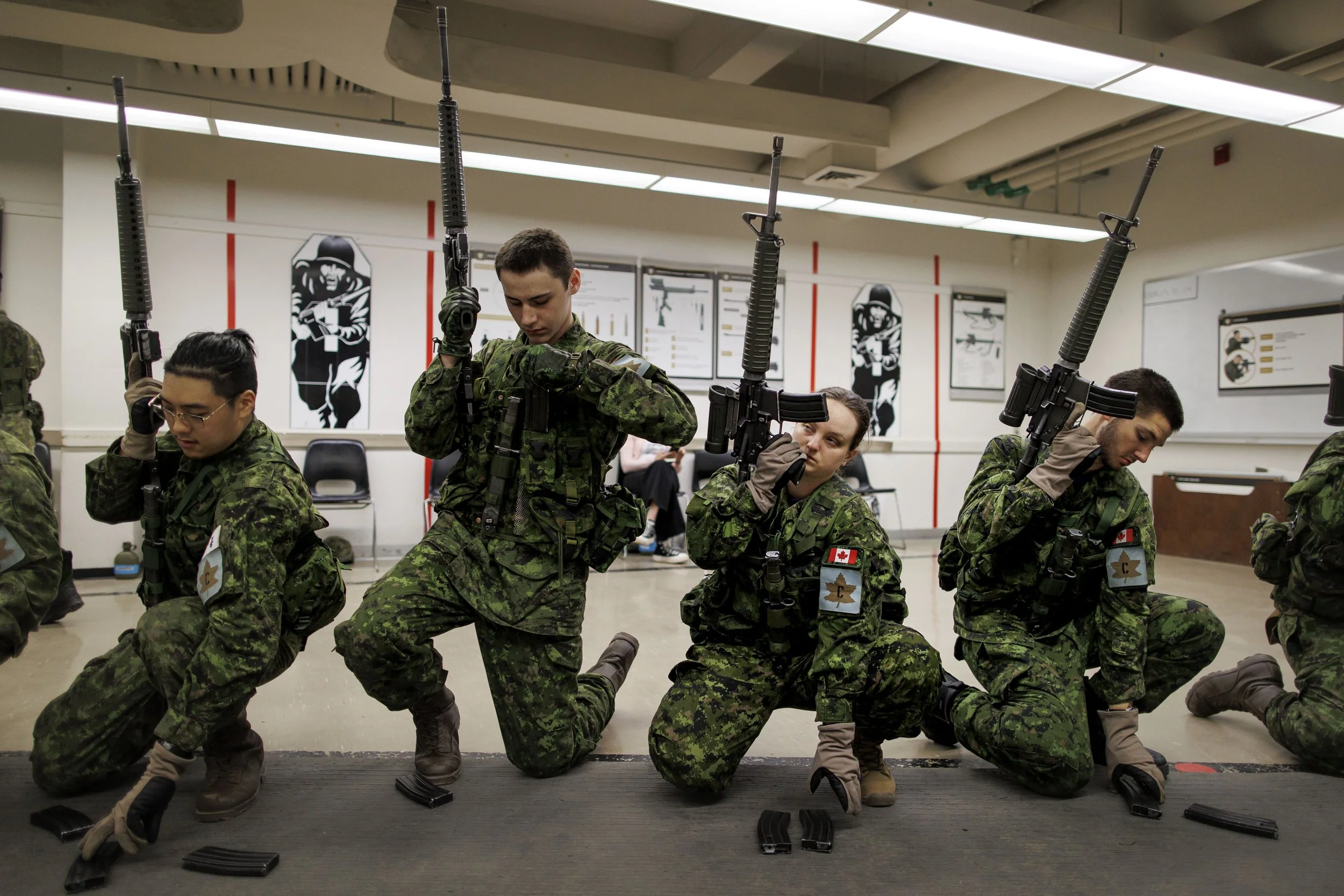
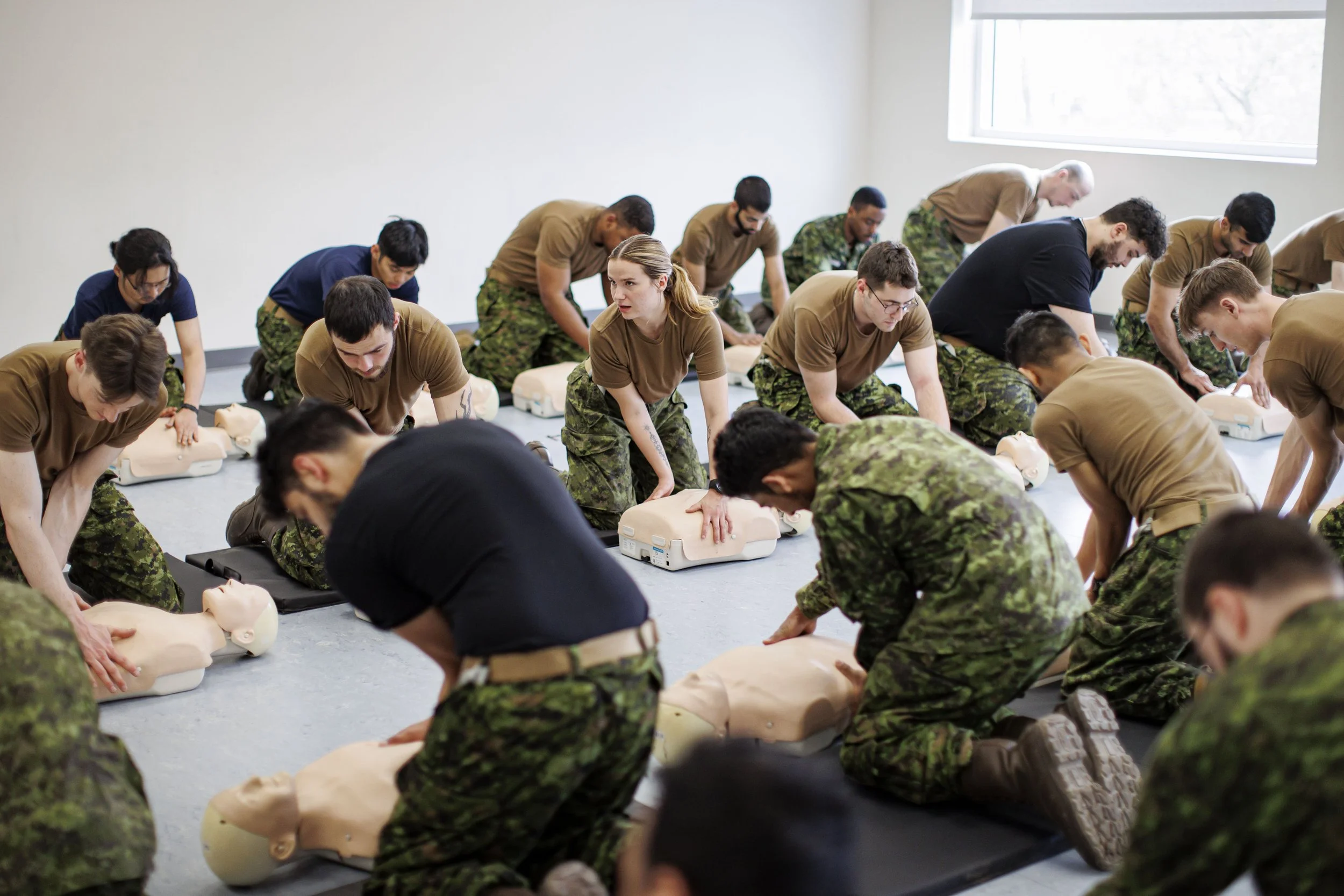
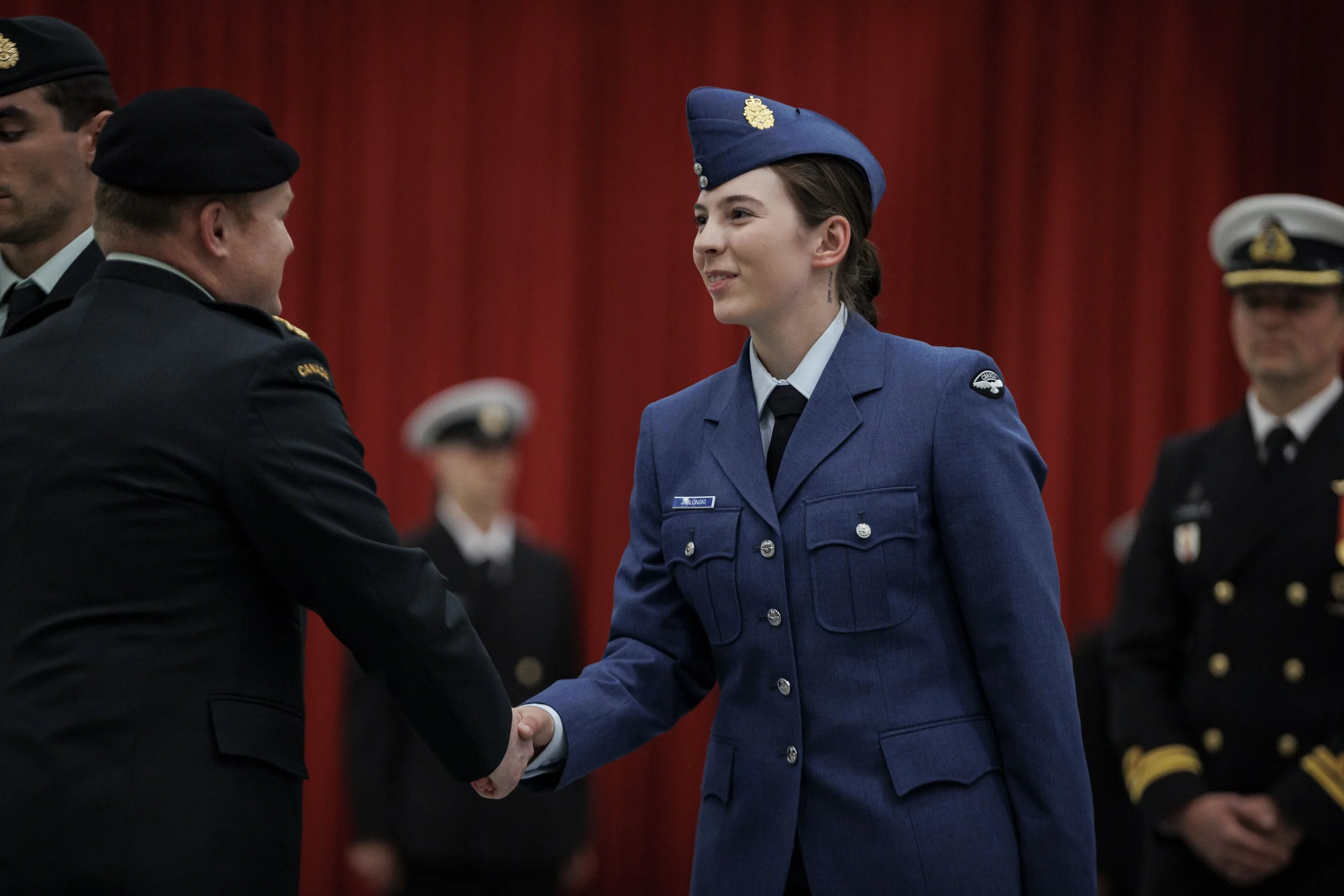
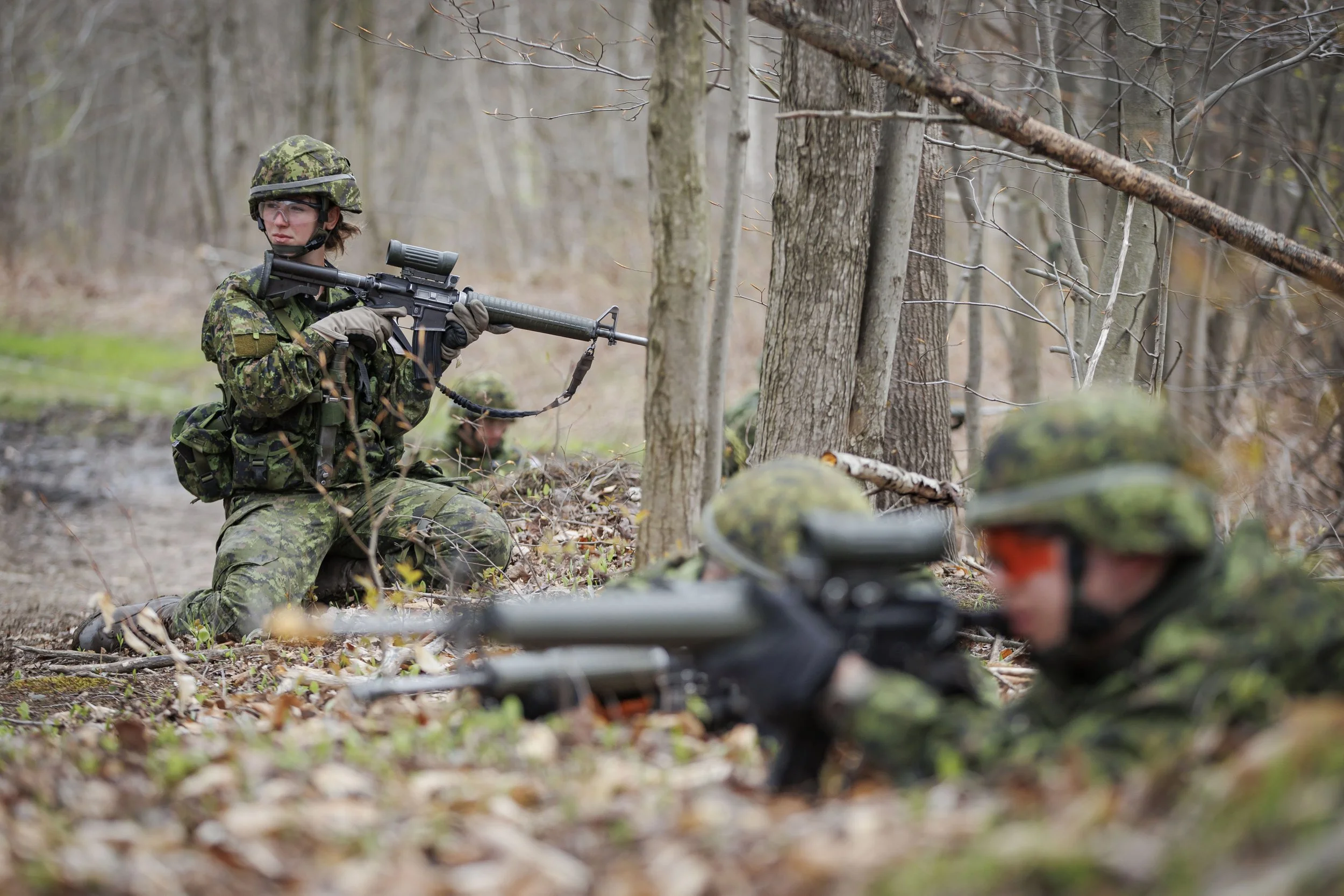
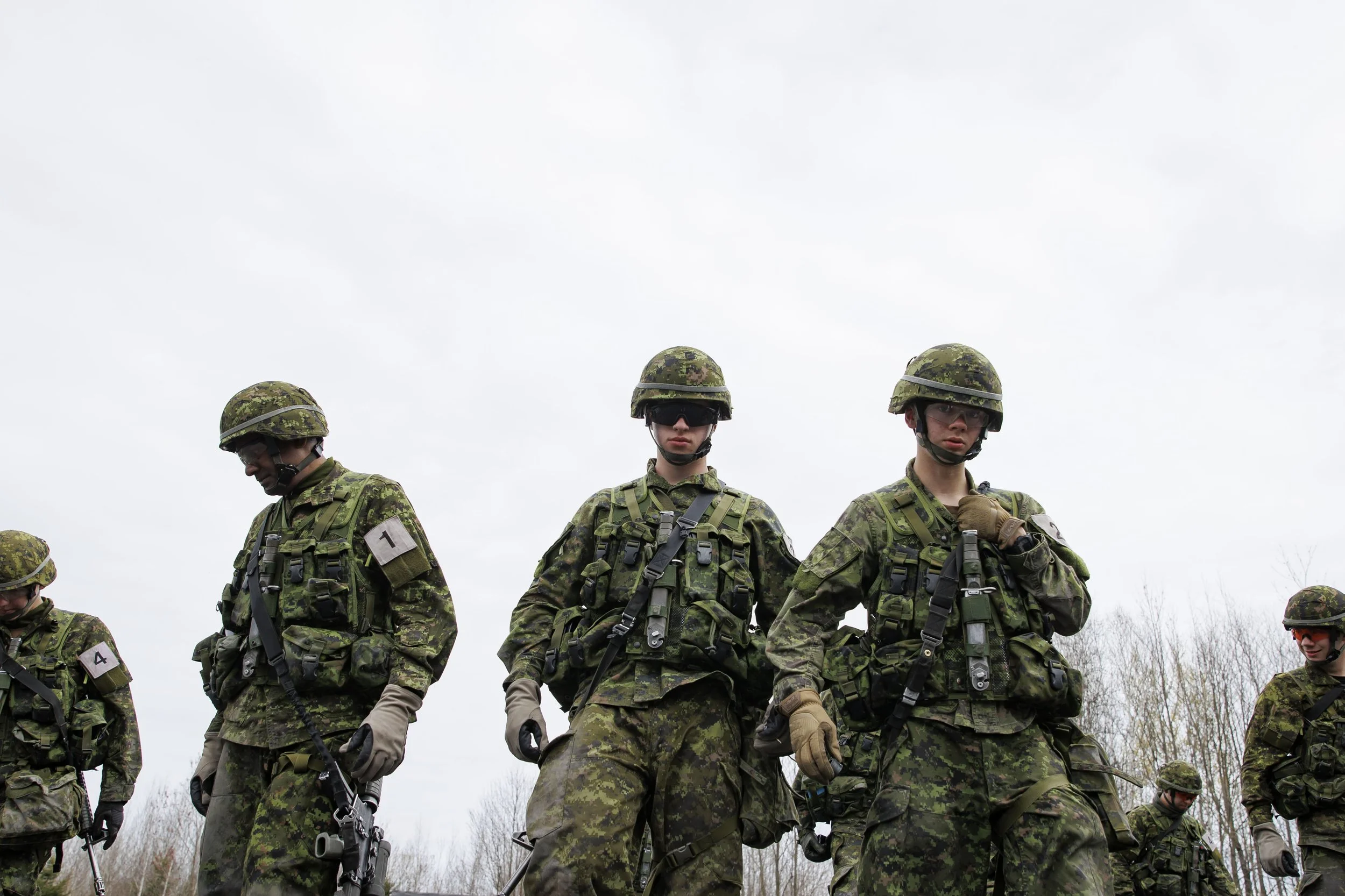
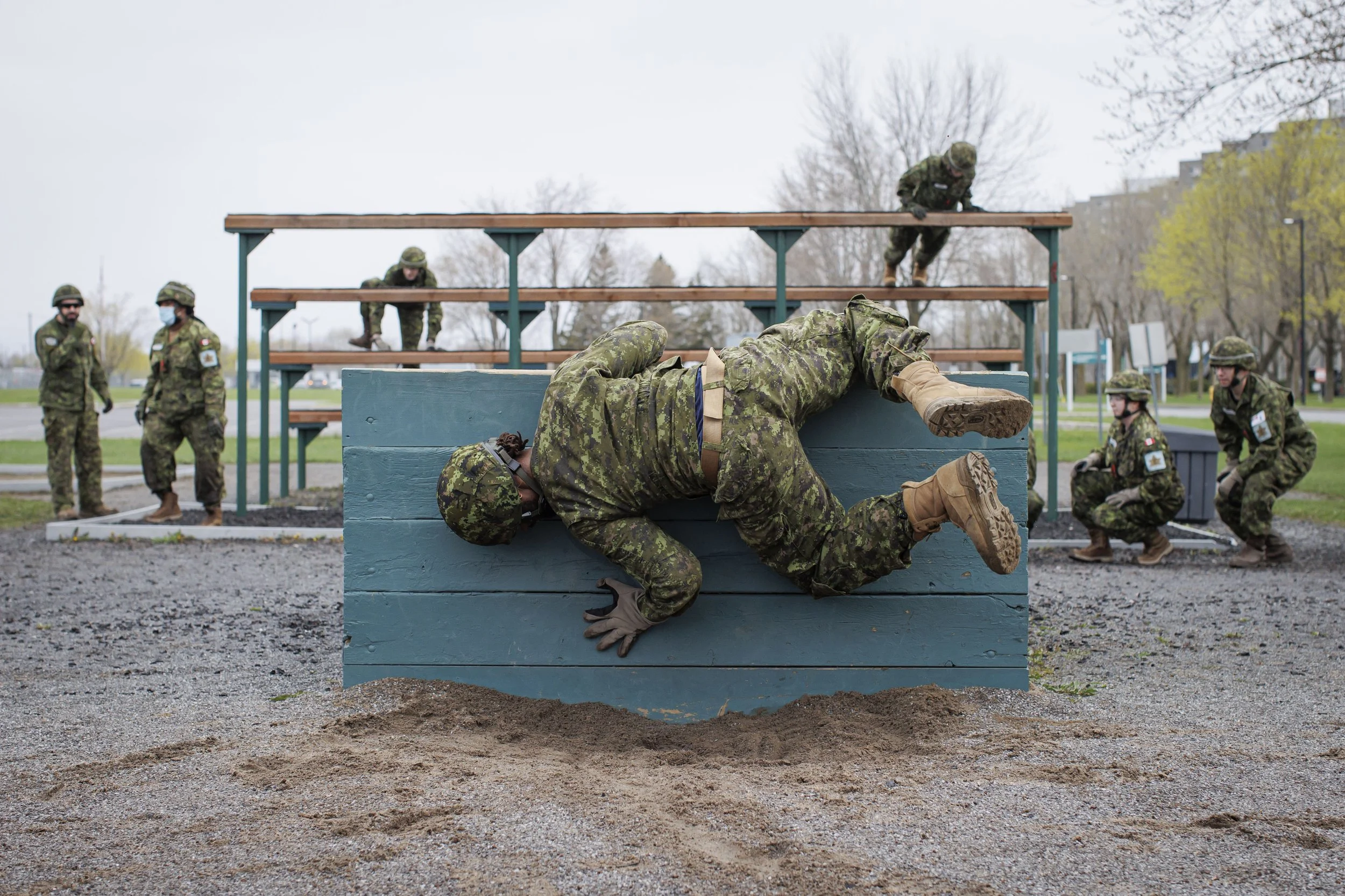
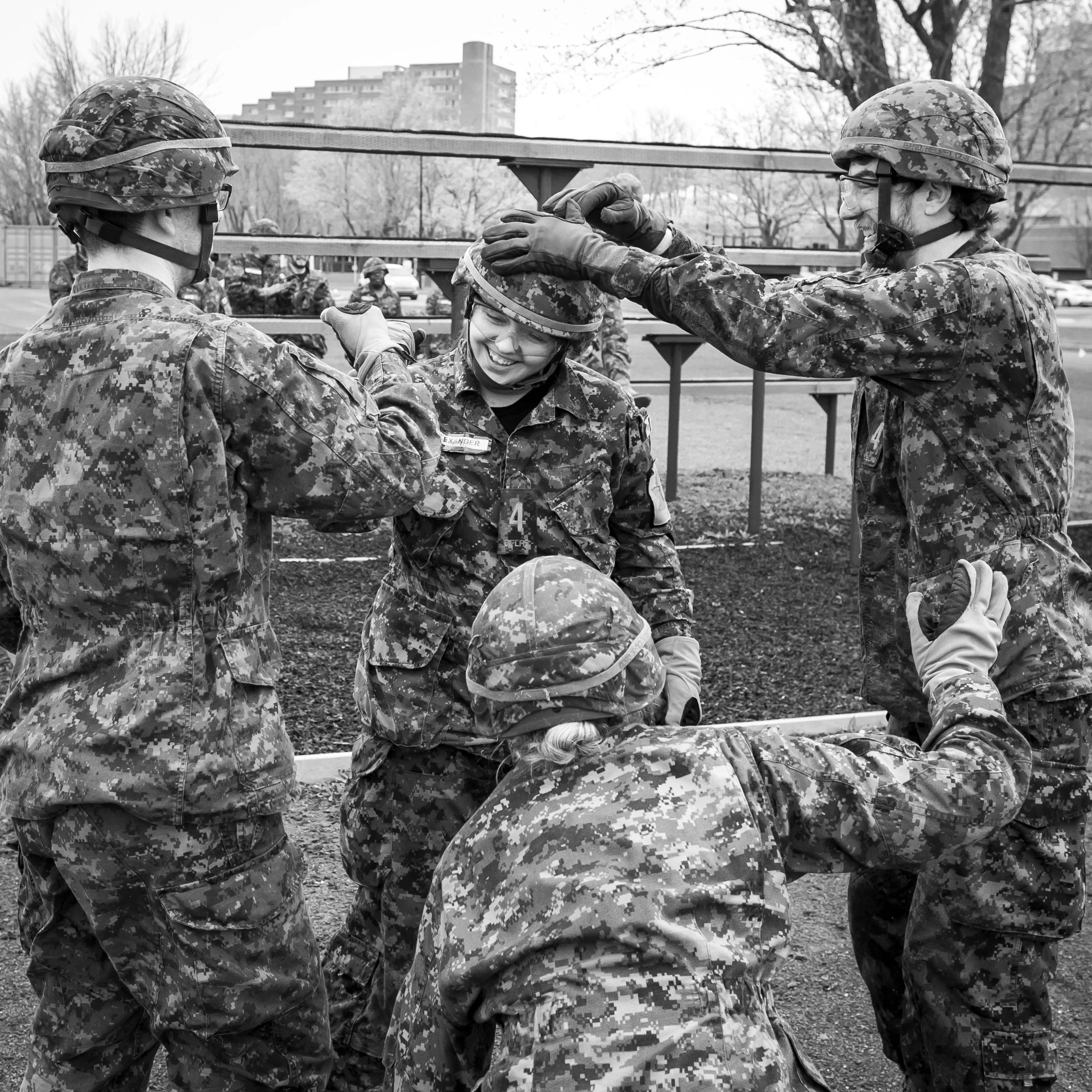
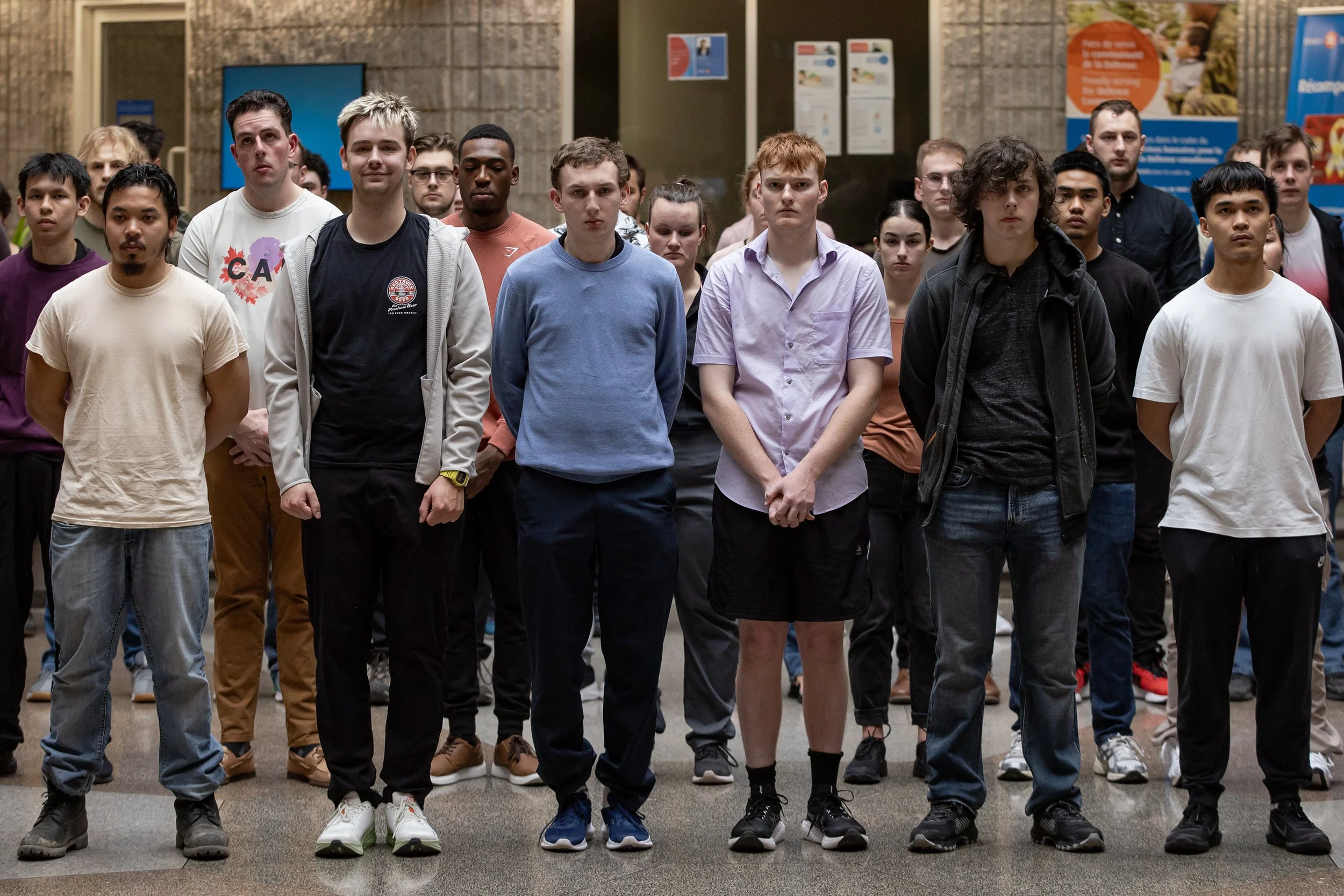
They come from as far afield as Comox, B.C., Grande Prairie, Alta., and Guelph, Ont.Once strangers, these new Canadian Armed Forces recruits are now seldom more than a few metres from one another — eating, sleeping and exercising as a unit — all part of the bonding process designed to create the soldiers, sailors and aviators of tomorrow.They're among the first cohort to pass through Basic Military Qualification, or basic training, under new guidelines aimed at removing hurdles and boosting numbers — changes the Department of National Defence (DND) hopes will solve a personnel crisis that Defence Minister Bill Blair called a “death spiral” for the Canadian Armed Forces (CAF).“There are a lot of physical challenges, but when your body wants to give up, keep pushing. You learn you’re a lot stronger than you think you are,” said Jersey Jablonski, 21, a newly minted aviator from Winnipeg.
A woman and the first in her family to enlist, Jablonski represents a double rarity in the Forces, which has historically seen sons following fathers into military service, though that is changing slowly.
Nearly half of applicants asked to participate in a 2022 survey indicated having family members who were former or current members, according to the DND. In 2022-23, of the 5,242 individuals accepted into the regular Forces and primary reserve, about 17 per cent were women — a high point in female representation over the past 10 years.There are roughly 68,000 regular members and 27,000 reserves currently serving in the CAF. But those numbers include people on leave, new parents and other non-combat-ready personnel — far short of what Blair says the Forces need if called upon to fight.
While DND stats show the total number of women in the Forces has stayed relatively the same for the past decade, there’s a greater upward trend for representation of racialized people, which has gone from six per cent in fiscal 2015 to 12 per cent in fiscal 2024.
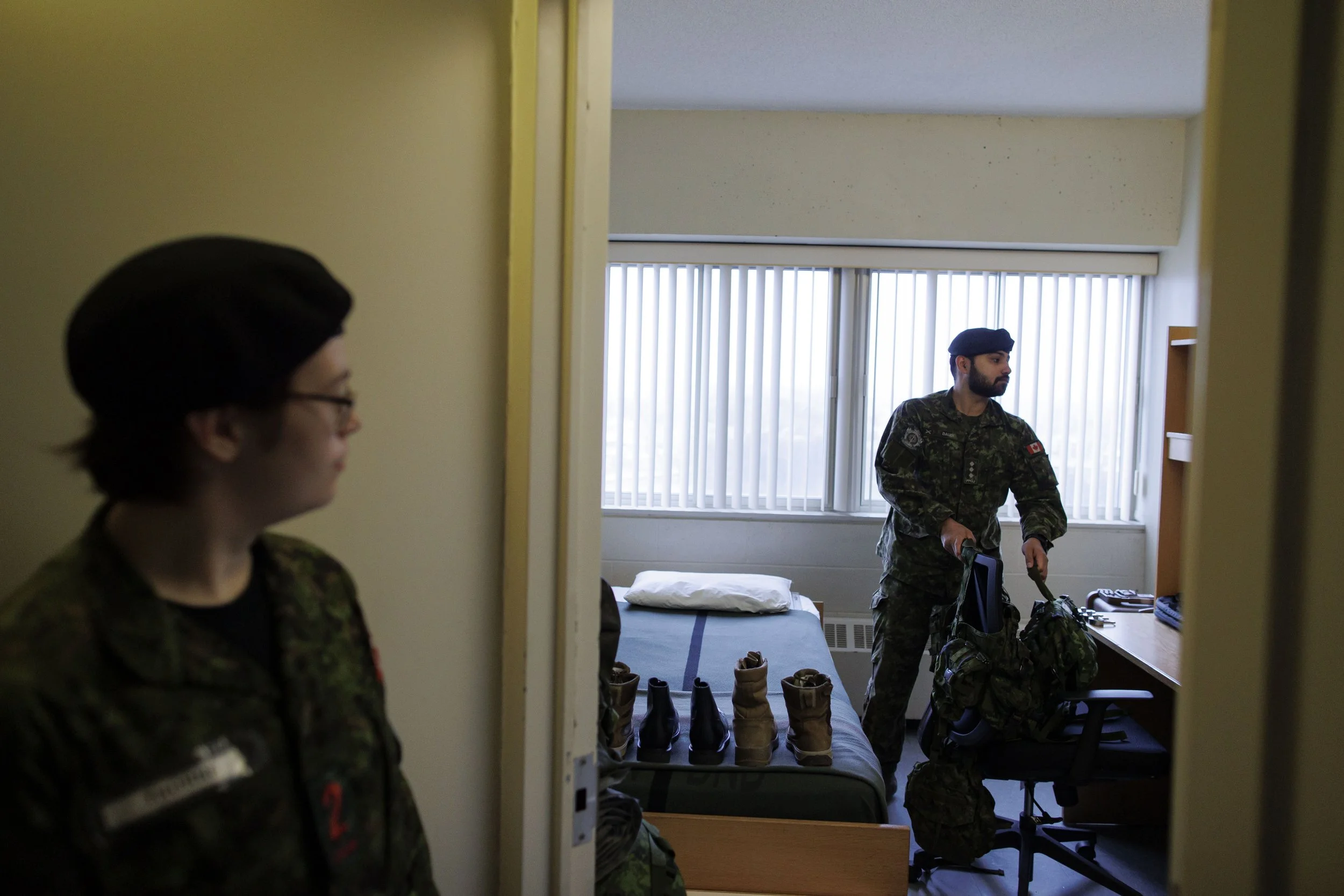
Jablonski is in a proud minority at the “Mega,” a massive dormitory and classroom complex in Saint-Jean-sur-Richelieu, where, since 1979, the CFLRS has been based and where nearly all recruits begin their military journey.
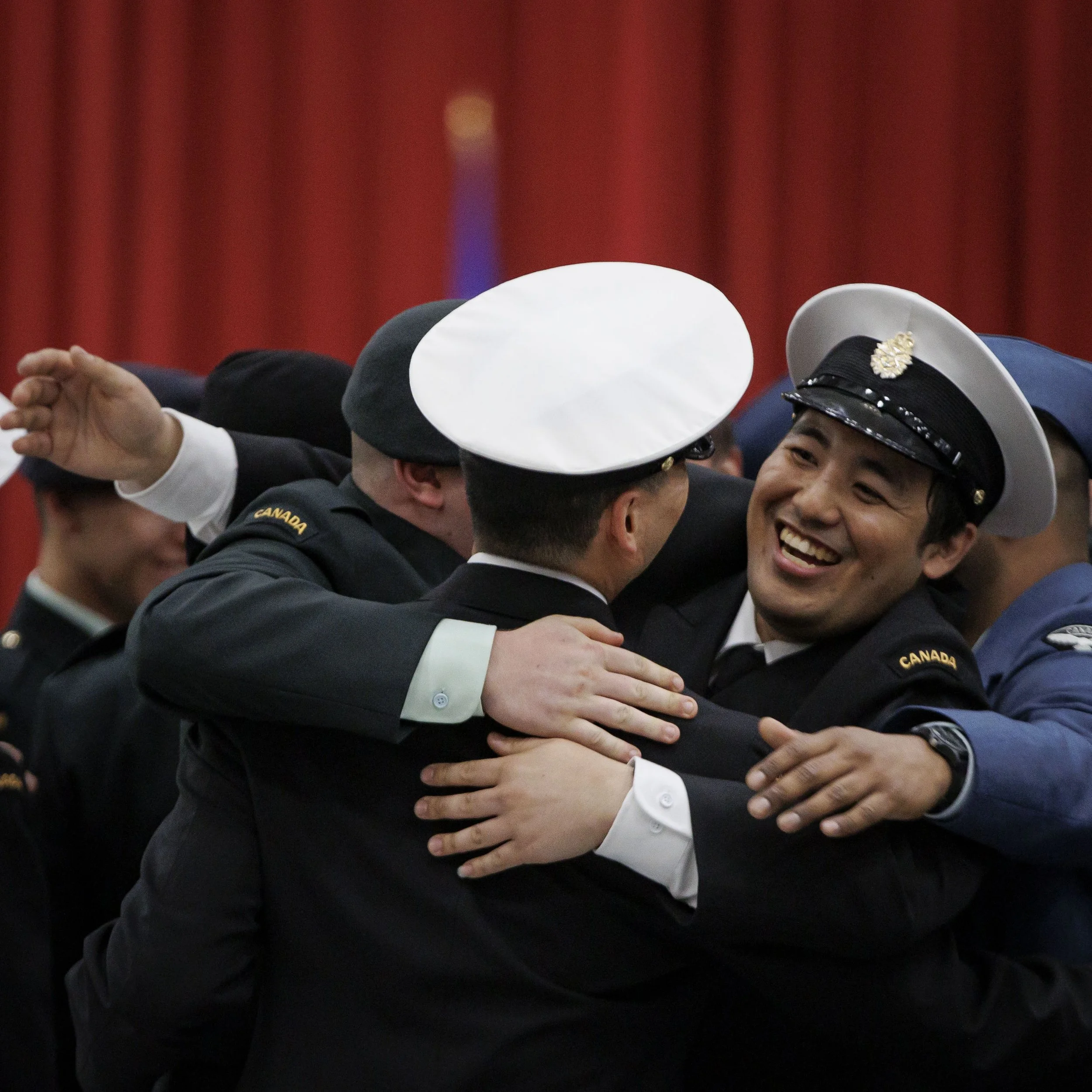
“To the women thinking of joining, go for it. You make a lot of connections. You go through hardships but you become family,” said Jablonski, who graduated with her cohort on May 2. There are roughly 68,000 regular members and 27,000 reserves currently serving in the CAF. But those numbers include people on leave, new parents and other non-combat-ready personnel — far short of what Blair says the Forces need if called upon to fight.
While DND stats show the total number of women in the Forces has stayed relatively the same for the past decade, there’s a greater upward trend for representation of racialized people, which has gone from six per cent in fiscal 2015 to 12 per cent in fiscal 2024.
Jablonski is in a proud minority at the “Mega,” a massive dormitory and classroom complex in Saint-Jean-sur-Richelieu, where, since 1979, the CFLRS has been based and where nearly all recruits begin their military journey.
“To the women thinking of joining, go for it. You make a lot of connections. You go through hardships but you become family,” said Jablonski, who graduated with her cohort on May 2. Getting back to basics
There are roughly 68,000 regular members and 27,000 reserves currently serving in the CAF. But those numbers include people on leave, new parents and other non-combat-ready personnel — far short of what Blair says the Forces need if called upon to fight.

While DND stats show the total number of women in the Forces has stayed relatively the same for the past decade, there’s a greater upward trend for representation of racialized people, which has gone from six per cent in fiscal 2015 to 12 per cent in fiscal 2024.

Jablonski is in a proud minority at the “Mega,” a massive dormitory and classroom complex in Saint-Jean-sur-Richelieu, where, since 1979, the CFLRS has been based and where nearly all recruits begin their military journey.

“To the women thinking of joining, go for it. You make a lot of connections. You go through hardships but you become family,” said Jablonski, who graduated with her cohort on May 2. Jablonski is also among the first cohort of recruits to enlist under a new hiring paradigm that includes the removal of some perceived barriers, such as test anxiety.
A trial, new as of December 2023, is also underway that de-emphasized the once-standard written aptitude test for those wishing to enter certain in-demand trades, such as medical officer, gunner, cook and line technician, to name a few.
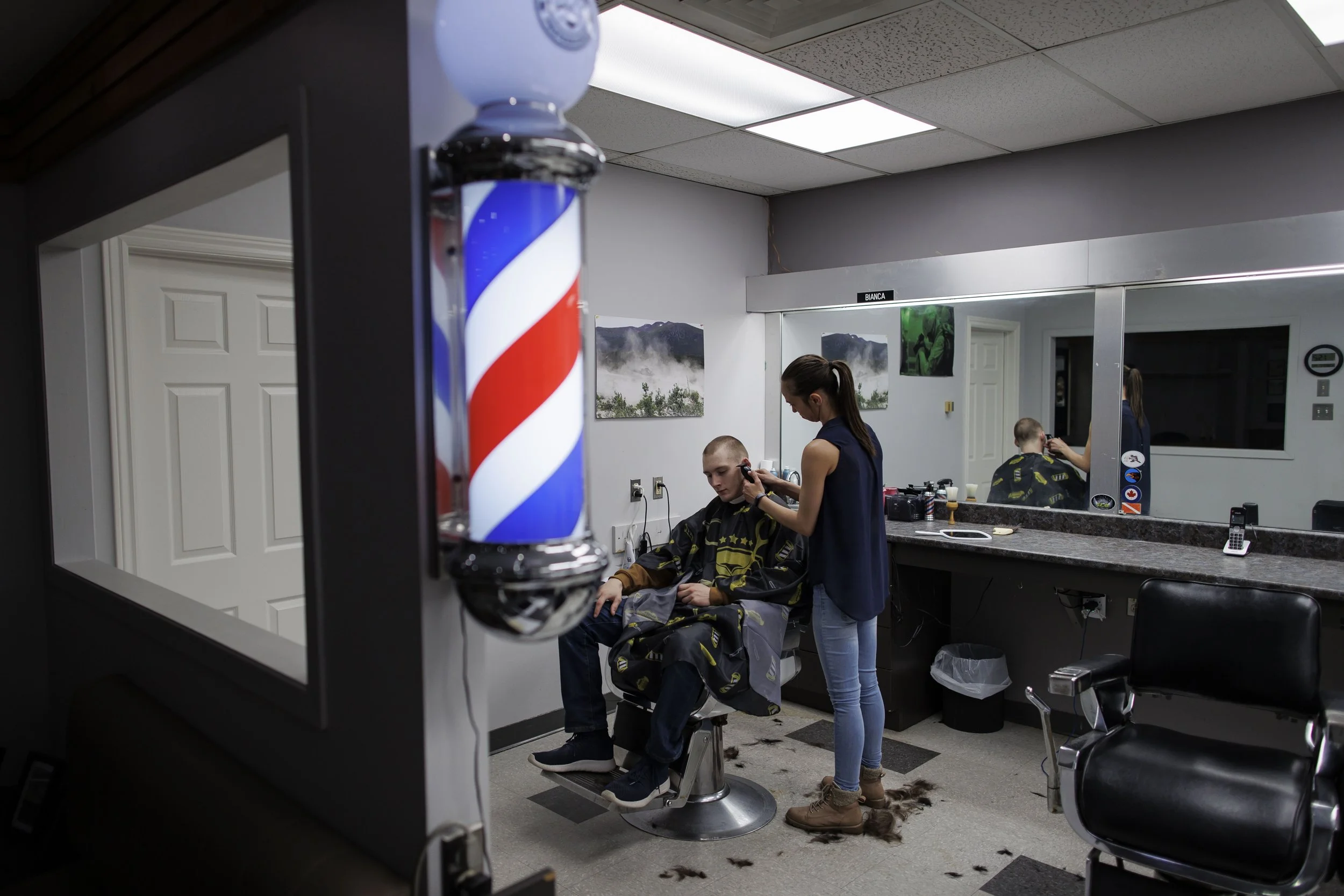
But successful applicants to these trades will still take the test during basic training, rather than at the recruiting office — though the results are kept only for statistical analysis, according to the DND.In April, the federal government released its latest defence strategy, with the promise of an increase in military spending of $8.1 billion over the next five years and $73 billion over the next 20 years. That would take Canada’s investment in defence from 1.33 per cent of GDP to 1.76 per cent, inching closer to the two per cent called for by NATO. Canada is a founding member of the military alliance.The strategy, packaged under the title Our North, Strong and Free, identifies two core objectives: “strengthen the foundations of the CAF and acquire new capabilities to deal with new threats.” The strategy includes an emphasis on northern sovereignty, as well as a commitment to build and repair staff housing and $100 million over five years to improve child care access on bases across the country. Recent changes to the military dress code (painted nails, tattoos, haircuts and gender neutral uniforms) are also part of a plan to make a military life more appealing to today’s would-be soldier.A soldiers life for thee
Time will tell if the strategy works in filling a projected shortfall of around 16,500 personnel, as well as a readiness gap an internal DND presentation points to, which says that only 58 per cent of the military would be able to respond if called upon tomorrow by NATO.

When it comes to staffing up, Canadians' willingness to serve does not appear to be the bottleneck. The most recent DND figures indicate that over 67,000 applications were submitted to the Forces over the past year, representing a five-year high. Of that number, fewer than 4,000 have been accepted, according to information tabled in Parliament.

The DND says the backlog is, in part, due to lengthy security checks necessary for permanent residents, who have been allowed to sign up since 2022. The new defence policy does not foresee the military hitting its target of 71,000 regular and 30,000 reserve forces, its full authorized strength, until 2032.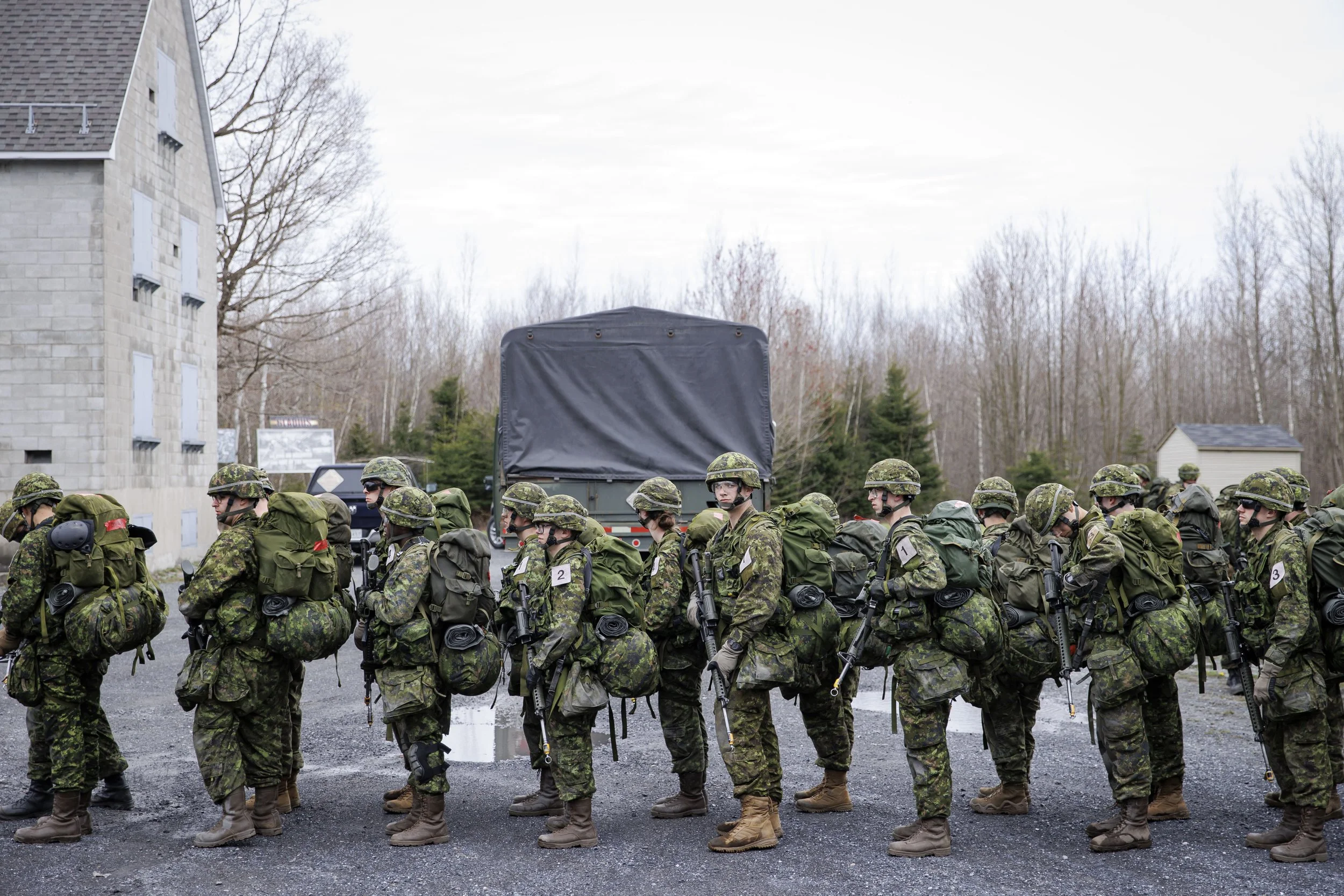
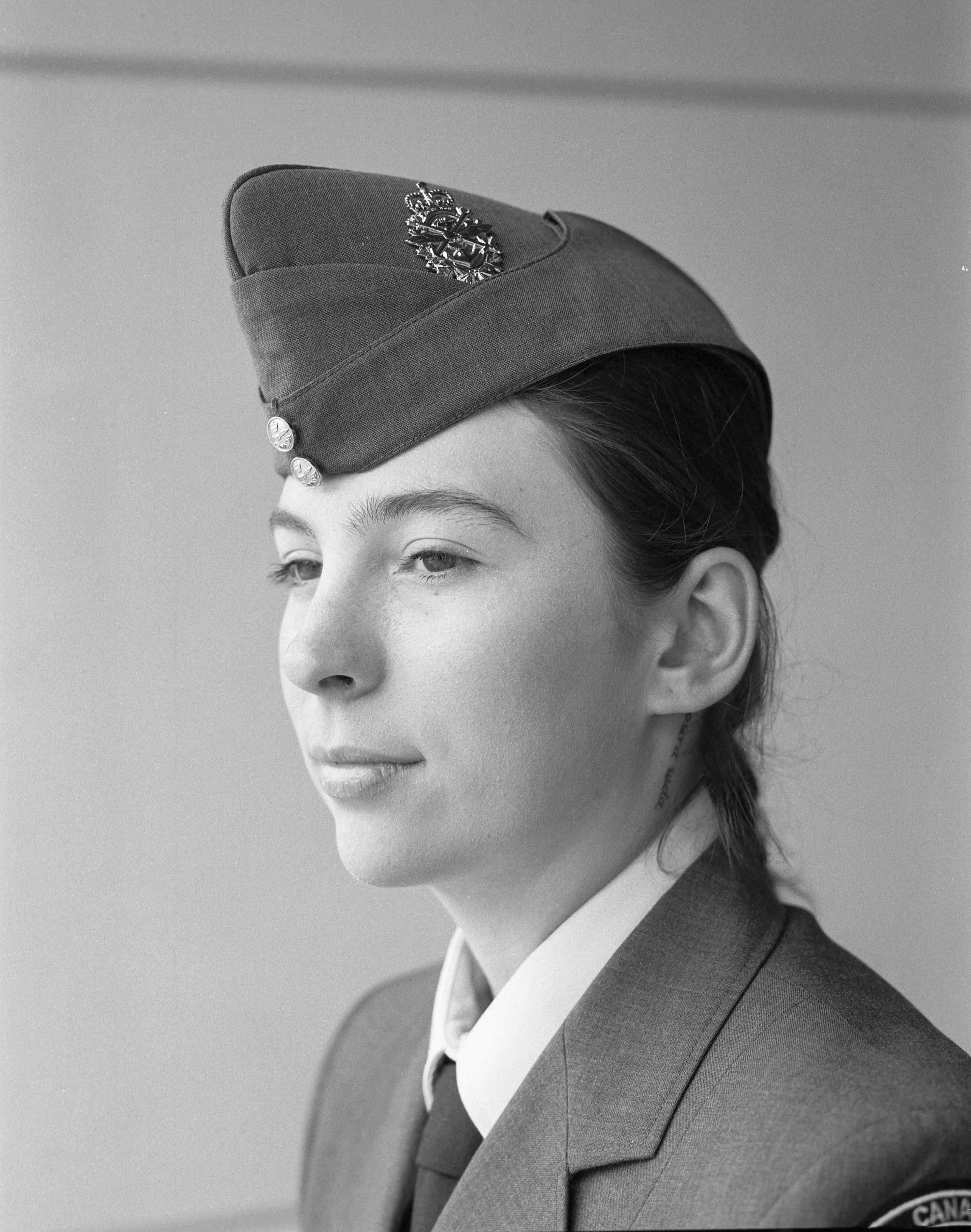
Aviator Jersey Jablonski, 21, CFLRS, May 2.